


Ever feel swamped by monthly bills? Personal finance software can be your dashboard, guiding you toward smarter saving habits. It gives you a real-time look at where every dollar is headed, so you can easily spot spending habits you might want to tweak. With simple, automated insights, you gain better control over your cash flow and can steer clear of those unexpected expenses. In short, this modern tool isn’t just an app, it’s a reliable sidekick helping you make informed choices and manage your money with confidence.
personal finance software Empowers Smart Savings

Using personal finance software is like having a clear heads-up display for your money. It gives you a real-time look at where each dollar goes, so you can spot spending habits and uncover saving opportunities. Think of it as a dashboard guiding you to avoid unexpected expenses before they throw you off track. For instance, imagine seeing every cost clearly laid out, just like street signs lighting your way on a familiar route.
There’s a variety of these tools out there, each designed to fit different needs. Some, like Monarch Money, give you an all-in-one view of daily transactions, while others focus on tracking investments, letting you monitor your portfolio without the fuss. Then you’ve got platforms like YNAB, where every dollar gets a job to do, and premium choices such as Lunch Money for efficient, modern data aggregation. Traditional desktop programs like Quicken, available in different editions, still hold their charm for those who prefer a classic approach to managing money. Picture YNAB’s system as a seating chart where every dollar has a designated spot, ensuring nothing gets lost in the shuffle.
Pricing varies depending on which tool fits you best. Many charge annual fees, Monarch Money, Quicken, and YNAB come to mind, while Empower offers free investment tracking. Some, like Lunch Money, let you pay just once, which can be a sweet deal if you’d rather not deal with recurring costs. And since most of these apps work on both desktops and mobile devices, you can check your financial dashboard no matter where you are.
Critical Features of Personal Finance Software
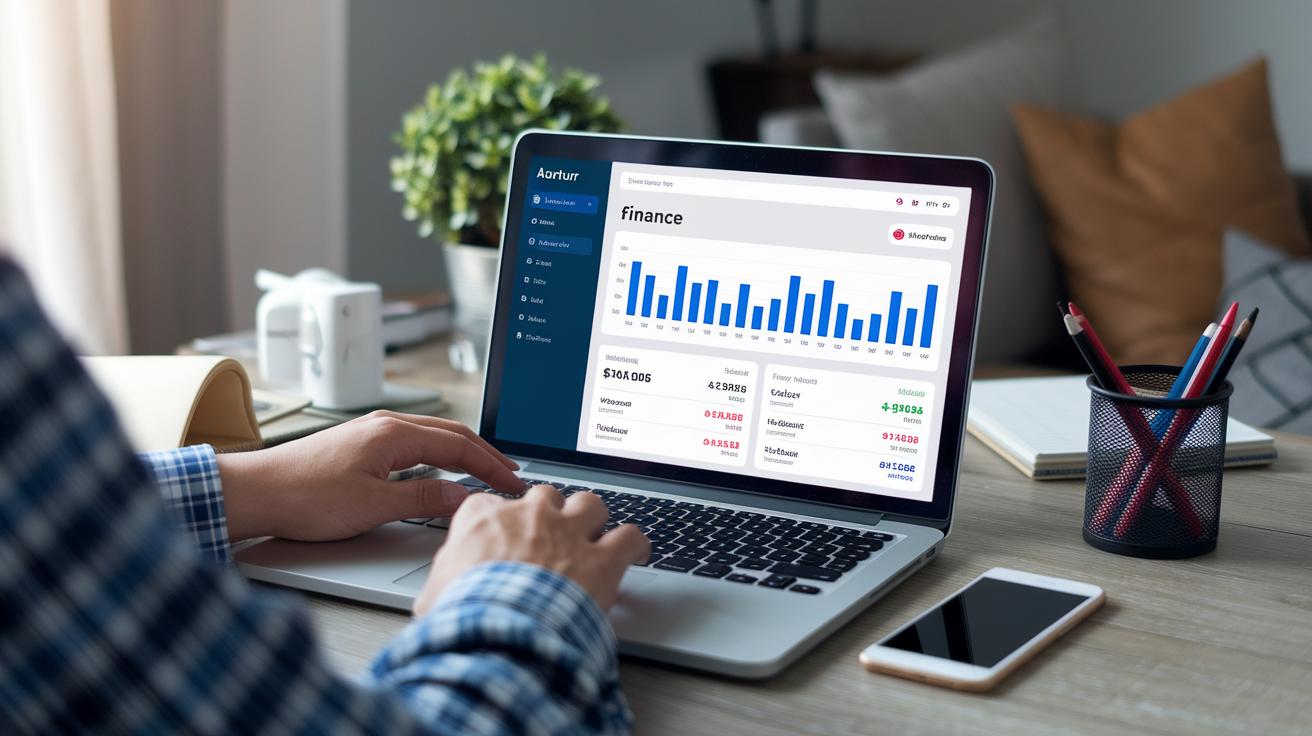
Personal finance software is your smart sidekick for managing money. It gives you clear, automated insights into your financial habits and acts like a personal dashboard that covers everything from tracking daily expenses to planning for the future. Think of it as a tool that helps you see where every dollar goes, thanks to features like an income versus expense tracker and an up-to-date net worth calculator.
- Rule-based budgeting
- Real-time account syncing
- Automated expense categorization
- Net worth calculation
- Savings goal tracking
- Cash flow monitoring
- Bill-reminder notifications
- Investment-module support
Consider platforms like YNAB, which uses rule-based budgeting (or zero-based budgeting) where every dollar is given a specific role. Then there’s Lunch Money, which seamlessly aggregates your data so that transactions are automatically sorted without you having to lift a finger. Quicken, with its robust tax-reporting and business expense modules, caters well to those with more complex financial needs, think of features similar to Empower’s investment tracking. And if you’re chasing clear financial milestones, Monarch Money’s savings goal tracking makes it easy to see your progress. These functions are at the heart of any dependable personal finance solution, like the one you can check out at personal finance tool.
By bringing together rule-based budgeting, real-time account syncing, and automated expense controls, these systems cover every base in your financial planning. A dependable net worth calculator, teamed with savings tracking and cash flow monitoring, gives you complete insight into both your everyday spending and your long-term goals. Bill-reminder notifications keep you on top of deadlines to avoid late fees, while investment-module support lets you keep an eye on your portfolio’s performance. All these features combine to turn complex financial data into everyday insights, helping you make smarter decisions about spending, saving, and investing.
Comparing Personal Finance Software Pricing Models

When it comes to picking a money management app, it all starts with knowing your budget. You’ve got to decide how much you can comfortably invest in a budgeting tool or expense control platform before you dive into its features. If every dollar is important to you, a free money planner might be just the ticket to give you a clear picture of your spending and saving habits without any commitment.
Different apps come with different fee setups. For instance, Quicken and Monarch Money use an annual subscription model, while YNAB bills you monthly. Empower lets you track your finances for free, although you’ll pay for extra advisory services. Then there’s Lunch Money, which gives you the choice of either a monthly fee or a one-time payment, depending on how often you want to update your money management app.
Be sure to match your financial tool with your wallet by watching out for any hidden costs. Look at the essential features, whether it’s reliable automatic transaction syncing or detailed expense breakdowns, and pick a free money planner or a cost-effective finance organizer that fits your budget and long-term financial goals.
Security & Privacy in Personal Finance Software

When you store your financial data, weak safeguards and outdated methods can put you at risk. That's why money management apps need to use bank-grade encryption, top-notch coding that shields your sensitive information, and enable two-factor authentication, which adds an extra layer of security by requiring a second step (like a code sent to your phone). This way, even if someone tries to breach your system, your personal details remain protected.
Today’s financial tools often come with built-in security features that work together seamlessly. For example, a secure money tracker might offer encrypted cloud backups, safely storing your data off-site. Many apps also let you archive your information securely for offline storage. This layered approach ensures that if one security measure is weakened, the overall system stays robust. For extra peace of mind, you might want to check out customer data protection guidelines.
When choosing a personal finance app, it’s smart to confirm that the developers have built strong security measures into the product. Ask if the app uses bank-grade encryption, supports two-factor authentication, and includes secure access management. By reviewing certifications and ensuring compliance with industry standards, you can pick a tool that not only simplifies financial tracking but also keeps your sensitive data safe.
Integration Capabilities of Personal Finance Software

Managing your finances just got easier with software that updates your data in real time. These tools hook up directly to your banks and credit unions, automatically pulling in transaction data so you don't have to lift a finger. Plus, built-in financial calendars keep track of upcoming bill due dates, ensuring nothing slips through the cracks.
Different apps offer various ways to connect your financial information. For instance, Empower effortlessly syncs your investment portfolio, while YNAB lets you manually import CSV files if you enjoy a hands-on approach. If you're after something more customizable, Lunch Money offers API access, and Quicken wraps a wide range of financial data into one neat package. You can always explore more integration features through trusted finance management tools on Moneyrepo.com.
By bringing everything together, your bank transactions, bill schedules, and investment trackers, these integrations make daily money management a breeze. With all your financial insights in one place, you can easily spot important events and make timely, informed decisions. Isn't it reassuring to know that staying on top of your finances can be this straightforward?
How to Choose & Set Up Personal Finance Software

When you're ready to dive into managing your money, start with a clear plan. Think of it like mapping out a road trip, you need to know where you’re headed before you set off. Whether you’re eyeing a simple money app or a tool that works without an internet connection, the first step is figuring out your goals.
Many money management apps come with guided onboarding that makes things a bit easier. For example, YNAB will walk you through setting up your goals and choosing rules, while Monarch Money makes linking your accounts a breeze. Each tool has its own unique touch, whether it’s a real-time cloud-based budgeting suite or a specialized organizer for long-term savings like retirement.
- Define your financial goals. Imagine setting your destination before you start driving. Write down both your short-term and long-term aims, whether that's reducing debt or building up your retirement fund.
- Shortlist and compare your options. Jot down the software that best meets your needs. Look at features such as debt reduction planners, offline expense tracking, or any special budgeting tools.
- Register and link your accounts. Follow the app’s instructions. For instance, Monarch Money simplifies account linking, while Quicken might have you create a desktop file.
- Create budget categories. Group your expenses into clear, manageable sections. A good tool lets you easily categorize spending, so you know exactly where your money is going.
- Set up bill-payment alerts. Use the app's reminder features to avoid late fees and keep your bills on track.
- Customize your reports. Tailor reporting modules to focus on your financial priorities. This helps you keep an eye on your spending habits and monitor progress.
- Check and enable security settings. Make sure features like two-step verification are active to protect your data.
After you’ve set everything up, remember to keep an eye on your financial overview. Regular reviews and adjustments will ensure your software stays in sync with your evolving goals, keeping you well on your way in your money management journey.
User Reviews & Real-World Experiences with Personal Finance Software

Users of personal finance software generally share a positive vibe. Many find that these money management apps make everyday tracking simple and straightforward, which not only eases the stress of monitoring spending but also boosts confidence when tackling bills and saving money. In fact, real user stories highlight that clear, easy-to-use features give you better control over your finances with up-to-date performance updates.
At the same time, not every tool fits every need. Different apps speak to different financial styles. For instance, some users swear by YNAB for its disciplined approach to budgeting, even if its strict setup can feel challenging when unexpected expenses pop up. Monarch Money is often applauded for its clean design and user-friendly layout, though its price tag occasionally raises questions. Lunch Money is celebrated for its modern flair and fast support, while Quicken is valued for its in-depth tracking despite a sometimes dated interface. Empower is a favorite for free investment tracking, but some users wish it offered more in the way of expense monitoring.
When picking the right money management tool, it really comes down to matching the software’s strengths with your financial goals. Do you lean towards a streamlined interface, or do you need robust tracking options? Are you comfortable with a strict budgeting method, or do you prefer some wiggle room for unexpected costs? Reflect on what matters most to you, and you'll be well on your way to a more satisfying, long-term finance management experience.
Final Words
In the action, this article broke down personal finance software essentials, from budgeting and expense control to investment tracking. It looked at different pricing models and highlighted the importance of strong security and seamless integration. Clear steps for choosing and setting up your tool were paired with real-user insights to offer practical advice.
These insights leave you ready to use a reliable personal finance software and turn everyday money management into a smart, informed decision.
FAQ
What are some top free personal finance software options?
Searching for free personal finance software reveals options that offer basic money management without subscription fees, including free downloads and tools that focus on budgeting, expense tracking, and income versus outcome analysis.
What sets apart the best personal finance software?
The best personal finance software features clear income and expense tracking, automatic categorization, secure cloud options, and user-friendly budgeting tools that make managing money straightforward and transparent.
How does Quicken compare in the personal finance software market?
Quicken stands out with detailed budgeting, tax reporting, and investment tracking features, offering robust tools for users who seek comprehensive desktop and mobile solutions for personal finance management.
Is there a personal finance version of QuickBooks?
QuickBooks primarily serves small business accounting needs, so for personal finance, tools like Quicken provide features specifically designed for individual budgeting, expense tracking, and financial planning.
What is the 50 30 20 rule and how does it apply to budgeting?
The 50 30 20 rule splits after-tax income into 50% for necessities, 30% for discretionary spending, and 20% for savings or debt, providing a balanced, easy guide for effective budgeting.
Is there accounting software suitable for personal use?
While many accounting programs focus on business needs, some tools cater to individuals by offering basic bookkeeping, budgeting, and expense tracking functions that simplify personal financial management.
Are there options for offline personal finance software?
Offline personal finance software allows you to manage budgets and track expenses on your PC without the need for a continuous internet connection, providing secure local management of your financial data.
What features should I look for when choosing personal finance software?
Look for features like rule-based budgeting, real-time account syncing, automated expense categorization, net worth calculations, savings goal tracking, and secure access controls to help drive better money decisions.