

Ever wondered if there’s a quicker way to clear your student loans? I know it can feel like you’re climbing a steep hill, but paying off your debt doesn’t have to be a slow journey. With a clear plan, smart budgeting, and a few extra efforts along the way, you can speed up your repayment process. In this guide, we lay out simple, practical steps to help you focus on your loans so that every dollar works harder for you. Enjoy the ride as you take charge of your financial future and move closer to true freedom.
Essential Steps to Pay Off Student Loans Fast
When it comes to paying off student loans quickly, a clear and organized plan goes a long way. Once you list out all your loans, you end up with a clear picture of what you owe, allowing you to target extra funds where they’ll have the biggest impact. It’s a strategy that helps you avoid surprises and ensures every payment counts.
- Start by creating a simple spreadsheet that lists each loan along with key details like type, balance, interest rate, and due date.
- Use a monthly budget worksheet to balance your loan payments with your everyday expenses such as rent, food, and transportation.
- Consider making small or interest-only payments while you’re still in school. Doing this can help reduce the total cost and boost your credit over time.
- Setting up automatic payments is a smart move too. It not only streamlines your process but also helps you avoid missing due dates and potentially losing out on interest rate reductions.
- Whenever you get extra money, whether it’s from a birthday, a bonus at work, or a tax refund, apply that cash directly to your loan’s principal. This helps cut down on future interest.
- Look into employer assistance programs that might contribute directly to your loan payments or offer tools to help manage your repayment effectively.
By putting these steps together, you create a fast-track plan that tackles your debt from every angle. Staying organized, budgeting carefully, making early payments, automating your dues, and strategically using extra funds can accelerate your journey to financial freedom. Every small effort builds a stronger, more proactive approach to eliminating your student loans.
Budgeting Tips for Rapid Student Loan Repayment

A strong budget is the first step toward freeing up extra cash that you can use to pay off your student loans faster. One helpful strategy is to use a monthly budget worksheet, like the Financial Planning Template, to clearly set aside funds for essentials such as housing, food, transportation, loan payments, and savings. This approach ensures your money works hard for you while coordinating payment due dates to help avoid late fees.
By tracking every expense with tools like Expense Management, you can discover your spending habits and pinpoint where to cut back, allowing you to redirect more dollars toward your loans.
| Budget Category | Recommended Allocation (%) |
|---|---|
| Housing | 30% |
| Food | 15% |
| Transportation | 10% |
| Loan Payments | 25% |
| Savings/Emergency Fund | 20% |
Reviewing your budget every month is key. Regular check-ins help you adjust for shifts in income or unexpected expenses, making sure your budget stays aligned with your repayment goals. For instance, if transportation costs rise, reallocating funds can keep your financial plan balanced while you remain aggressive about reducing debt. This ongoing fine-tuning supports a disciplined yet adaptable approach to managing your money on the road to debt freedom.
Debt Avalanche vs Snowball Methods for Fast Loan Payoff
When you're deciding on a repayment strategy, it mostly comes down to whether you want to cut down on interest or enjoy small, motivating victories along the way. Both methods shine in their own right, so think about your financial habits and goals to pick the one that fits you best.
Avalanche Method
With the Avalanche method, you zero in on the loan with the highest interest rate first. Imagine juggling a few loans and one of them charges 7% while the others are lower; by tackling the priciest loan, you're effectively reducing the extra interest that piles up every month. Fun fact: borrowers who focus on their highest-rate loan can save hundreds or even thousands in interest over time. This approach is all about minimizing long-term costs by slashing the most expensive debt right from the start.
Snowball Method
On the flip side, the Snowball method gives you a quick hit of motivation by taking out the smallest balances first. Picture a row of dominoes, you knock one over, and it gives you that instant feel-good burst to keep going. Paying off a small debt rapidly can fuel your confidence, making the tougher debts seem more manageable later on. This method isn’t just about numbers; it's about creating a positive cycle of wins that build up your repayment momentum over time.
Ultimately, your choice depends on what matters most to you. Do you prefer the long-term savings with the Avalanche method, or do you need the immediate satisfaction of the Snowball approach to keep you motivated? Either way, both paths are designed to guide you steadily towards becoming debt-free.
Bonus Pre-Graduation Payments and Automating Interest Reductions

When it comes to managing your debt while still in school, here’s a friendly, advanced tip: consider making bonus payments with an extra $25 to $50 each month. Even a small addition, say, an extra $30, can shave off several months from your repayment schedule. It works like this: by reducing your principal faster, you limit the amount of interest that piles up over time.
Another smart move is to set up autopay on your qualifying loans. This little bit of automation can earn you a 0.25% rate reduction. While that may sound small at first, over the life of your loan it can add up to significant savings. Plus, automating your payments means you’re never late, which helps you avoid unnecessary fees and simplifies your overall debt strategy.
Consolidation and Refinancing Insights for Faster Student Loan Freedom
If you’re managing several student loans, consolidation or refinancing might be the easiest way to simplify your payments and potentially lower your interest. Think of consolidation as gathering all your loans and merging them into one single monthly payment, which can often make budgeting feel a lot less overwhelming. On the other hand, refinancing lets you lock in a lower interest rate, which might reduce your monthly payments, but keep in mind, you could lose some federal benefits in the process.
Here are a few points to consider:
- Lower interest opportunities: Refinancing might lower your interest rate and save you money over time, but it could mean giving up some federal protections.
- Simplified budgeting: With consolidation, all your loans become one payment, making it easier to keep track of them, though you should check if the repayment terms shift in the process.
- Forgiveness eligibility: When you refinance private loans, you might forfeit access to forgiveness programs, whereas federal consolidation usually keeps those options open.
- Term adjustments: Changing how long you repay your loan, either stretching it out or shortening it, affects your monthly payment and total interest, so it’s important to see how these changes fit with your overall plan.
Before you decide, take some time to play around with online tools like a debt calculator to see how your new rates and repayment figures might look. Running a few scenarios can really help you pinpoint the best strategy for your situation. This hands-on approach empowers you to choose a plan that aligns with your financial goals and could set you on the track to student loan freedom sooner than you think.
Maximizing Loan Forgiveness and Cancellation to Speed Debt Freedom
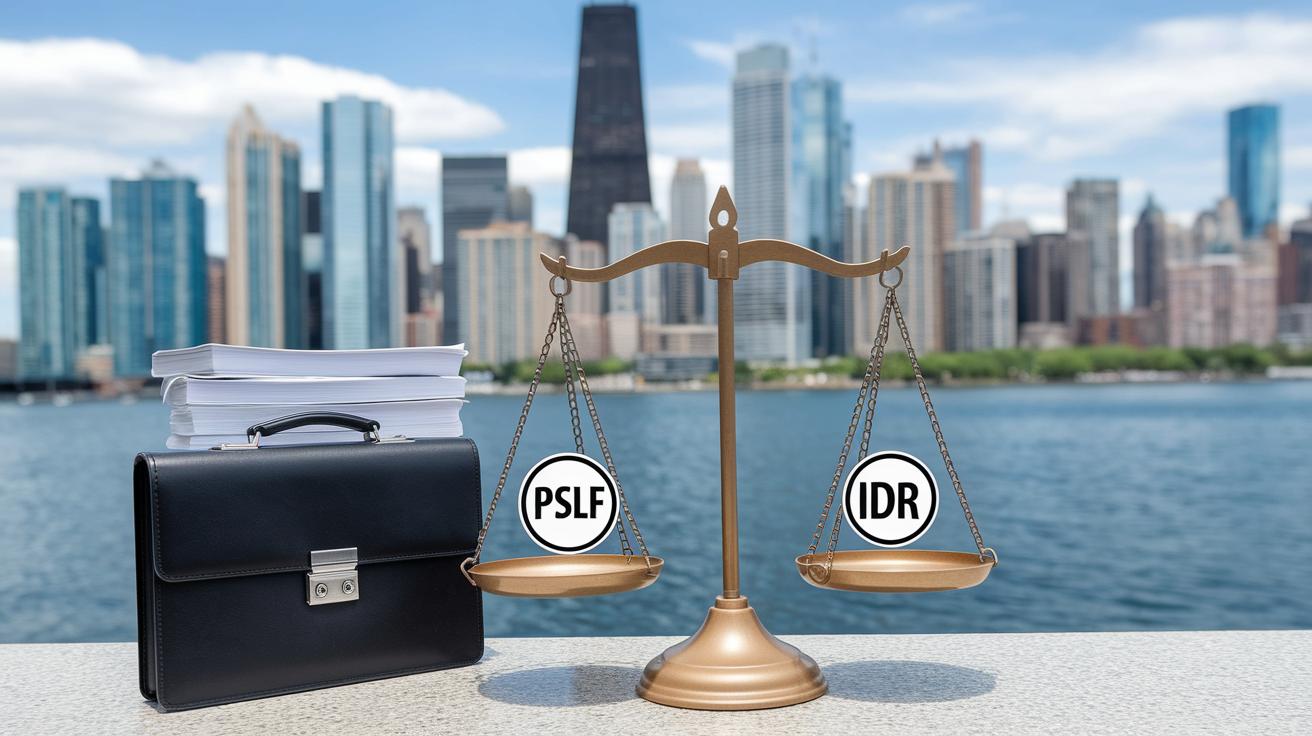
If you're juggling a student loan, you might be exploring options like Public Service Loan Forgiveness (PSLF) or Income-Driven Repayment (IDR) Forgiveness. PSLF is designed for folks in qualifying public service roles, it forgives your remaining loan balance after you make 120 qualifying payments. Think of it as a nod to your commitment and service. Meanwhile, IDR Forgiveness adjusts your payments based on your income, capping your monthly costs and wiping out whatever balance is left after 20 or 25 years. Both programs are built to help you chip away at your debt, whether you’re serving the public or simply managing your payments with a steady paycheck.
Recent policy updates have stirred the landscape a bit. With changes rolled out by the Biden administration alongside earlier Trump-era measures, you might notice shifts in eligibility or how you apply. It’s a good idea to check the latest guidelines to ensure you still qualify. During your application journey, keeping your documentation in order and tracking each qualifying payment is key. That way, you're not only meeting the requirements for loan forgiveness, you’re also making sure you tap into every benefit available.
Leveraging Extra Funds, Side Gigs, and Digital Tools for Fast Payoff
Adding a side gig to your regular payment routine can really speed things up. Whether it’s tutoring or freelancing, that extra income can go straight toward reducing your loan balance. Imagine a tutor using a scheduling app not just to organize sessions, but to watch that extra cash steadily chip away at the principal. It’s pretty motivating.
Digital tools can also play a huge role by helping you track your repayment progress and experiment with different payment plans. They let you see how every extra dollar affects your journey, making it easier to figure out which strategy suits you best.
| Tool | Description |
|---|---|
| Debt Tracker Pro | A user-friendly app that organizes your loan details and shows clear progress updates. |
| QuickPay Calculator | This online tool demonstrates how making extra payments can quickly lower your interest. |
| LoanManager | Visualizes multiple loan scenarios in one glance, helping you see where you stand. |
| Budget Apps Plus | Merges budgeting with debt tracking by displaying charts that map your payoff journey. |
| Payoff Planner | Creates a personalized payment schedule and monitors your improvements in real time. |
Watching your balance drop in real time is like getting a tangible pat on the back, it reminds you that your hard work is paying off. That instant feedback can boost your financial habits and keep you motivated on the path to a debt-free future.
Final Words
In the action, this guide laid out clear steps, from organizing your loans and budgeting efficiently to choosing either the avalanche or snowball method, that simplify the process of tackling student debt. It also explored extra payments, consolidation options, and leveraging side gigs to boost your repayment efforts.
Combining these insights creates a fast-track, practical blueprint on how to pay off student loans fast. Keep applying these strategies and stay optimistic about achieving a secure financial future.
FAQ
FAQs
How to pay off student loans fast?
The fastest way to pay off student loans is by creating a clear repayment plan that includes extra principal payments, strict budgeting, and possibly using repayment methods like the avalanche to reduce interest costs.
How can I pay off student loans on low income or when broke?
Paying off student loans with limited funds means tightening your budget, applying any extra money directly to loans, and exploring income-driven repayment plans that adjust monthly payments to your earnings.
How can I pay off student loans in full?
Paying off student loans in full involves gathering a lump sum—through savings, bonuses, or windfalls—and using it to clear your balance completely, which stops further interest from accumulating.
Are there donors that pay off student loans?
Some charities, community groups, and employer programs may offer assistance by paying off part of student loans, though opportunities vary and usually come with specific eligibility criteria.
How can I pay off student loans in five years?
Paying off loans in five years requires a strategic plan by increasing monthly contributions, cutting unnecessary expenses, possibly refinancing for lower rates, and consistently applying any extra funds to the principal.
Who should I contact if I have questions about student loan repayment plans?
The best point of contact is your loan servicer, as they can explain your repayment options, eligibility for specific plans, and details tailored to your individual loan situation.
What are creative ways to pay off student loans?
Creative methods include using bonus money, seeking side gigs for additional income, refinancing if it reduces your interest rate, and taking advantage of any employer loan repayment benefits available.
What is the 7-year rule for student loans?
The 7-year rule typically relates to certain payment conditions or regulatory guidelines on student loans, so it’s important to check with your lender to understand how it applies to your situation.
How long does it take to pay off $30,000 in student loans?
Paying off $30,000 in student loans depends on factors like interest rate and repayment plan; with extra payments or accelerated options, many borrowers finish between five and ten years.
Is it worth it to aggressively pay off student loans?
Aggressive repayment can cut total interest and shorten the debt term, but it’s wise to balance this approach with maintaining a safety fund and meeting other financial obligations.