


Ever thought about whether your company’s payment process is really working for you? Corporate banking payments are the engine behind each transaction, handling everyday expenses while also backing those big financial moves. They help cut down on common mistakes and give you a clear snapshot of your cash flow.
Picture it like keeping your company's heartbeat strong and steady. With modern, streamlined systems stepping in for outdated methods, managing your funds becomes simpler and more dependable. It’s not just about saving a buck, it’s a major shift toward smarter, more efficient business operations.
Overview of Corporate Banking Payments Services
Corporate payments are really the pulse that keeps any business going. They handle everyday tasks like paying salaries, settling supplier invoices, covering taxes, and managing insurance. Under the guidance of the CFO, the treasury team makes sure every dollar reaches the right hands at the right time, much like a steady heartbeat keeping all operations lively.
Treasury payments step up the game by covering more than just routine expenses. They also deal with big-picture financial moves like managing loans, handling debt, and seizing new investment opportunities. Imagine a company using part of its cash reserves to refinance existing loans or to invest in projects that promise future growth. These strategic moves pave the way for long-term stability while keeping risk in check.
Manual payment systems can be a real headache. Relying on multiple bank portals and spreadsheets opens the door to slip-ups and delays, which might end up causing late deliveries or even fines. Such pitfalls can disrupt cash flow, making it hard for a company to cover both everyday expenses and strategic initiatives. In contrast, centralized payment hubs streamline the process by automating routine tasks and offering real-time transaction updates, reducing the chance of human error and giving a clearer picture of liquidity. It's a smart choice for any business juggling multiple banking relationships.
Comparing Corporate Banking Payments Processing Methods
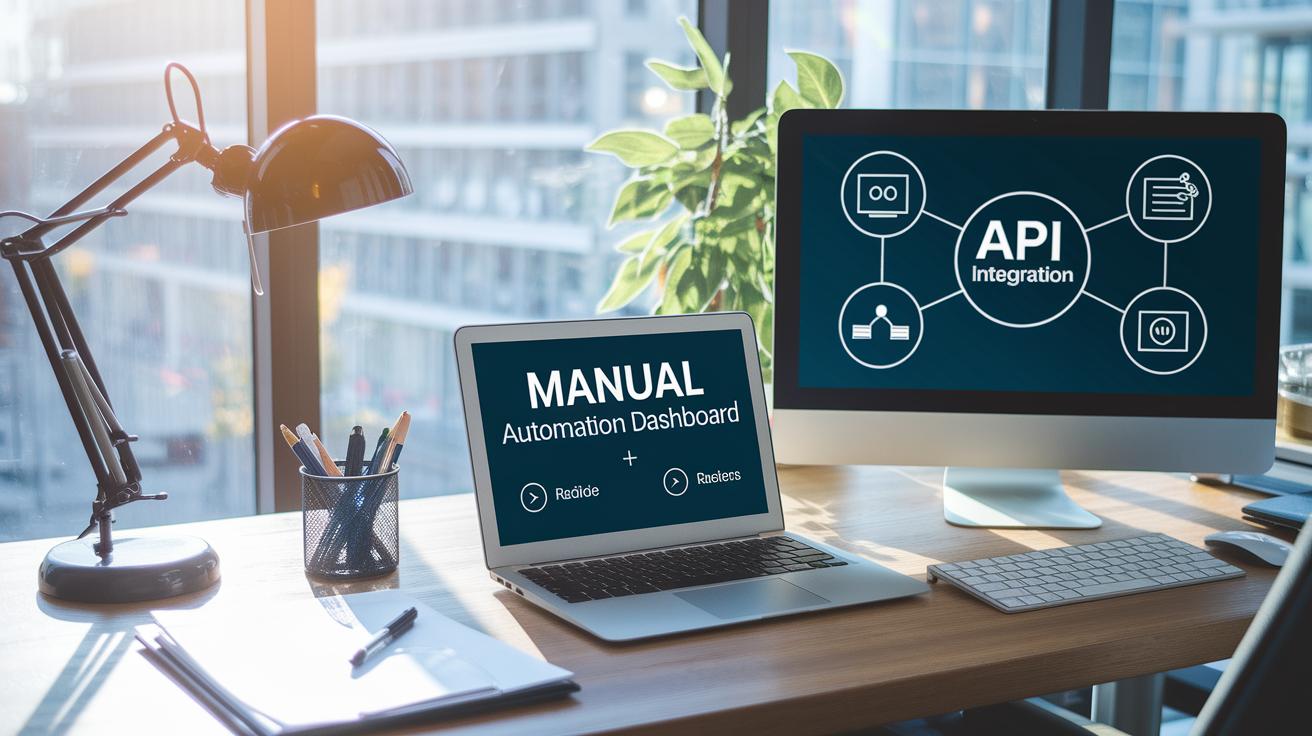
When it comes to managing corporate payments, companies usually have three clear options. They can stick with the old school manual method, upgrade to billing automation, or take advantage of API payment processing. Each of these approaches offers its own way to handle transactions, from hands-on processes to fully automated systems that let you watch your money flow in real time.
| Method | Description | Key Benefits |
|---|---|---|
| Traditional Manual | This method means you log into various bank portals and keep track of everything using spreadsheets. | It’s easy to get started, but the manual tracking increases the chance of errors. |
| Billing Automation | Here, self-service vendor portals handle disbursements more smoothly. | You cut down on manual work, speed up the payment process, and boost overall efficiency. |
| API Payment Processing | This system connects directly with banking APIs for ACH, wire, and RTP transfers. | It streamlines everything by eliminating middlemen, and you get real-time transaction updates. |
For businesses juggling multiple bank accounts and complex relationships, the right choice really comes down to balancing efficiency with control. If you’re managing several accounts, API payment processing might be the best bet for smooth, live updates on every transaction. On the other hand, if you’re still polishing your internal processes, billing automation could be a great step up from doing everything manually. In the end, the decision depends on your company’s size, how tolerant you are of manual errors, and whether you need a system that easily ties into your current bank setup. This selection process is key to moving toward smarter, more streamlined corporate banking payments.
Integrating Corporate Banking Payments with Enterprise Systems
Legacy systems can really slow down corporate banking payments. Outdated software and isolated data forces employees to repeatedly enter information by hand, which feels a bit like trying to complete a jigsaw puzzle with missing pieces. Important details sometimes get scattered, which not only delays when funds are reconciled but also increases the chance for mistakes. This makes it hard to achieve the quick, real-time monitoring that modern corporate treasury management demands.
GTreasury is tackling these issues head-on. They recently joined forces with Solvexia, helping companies automate reconciliation and better handle regulatory requirements. This smart move cuts down on manual errors and improves the consistency of financial reporting. Plus, their work with Ripple adds blockchain capabilities to process cross-border transfers faster. Imagine payments moving across different regions almost instantly, this is a game-changer compared to the long waits of older systems.
Centralized dashboards are another big win. With these tools, corporate treasurers can see real-time updates on fund movements and have audit-ready transaction records at their fingertips. This clear snapshot makes reconciliation easier and gives decision-makers peace of mind that every payment is tracked accurately.
Security and Compliance in Corporate Banking Payments

Handling a large volume of corporate payments means security must be on point. Money moves quickly across various channels, and with that speed, even small weak spots can be exposed. A tiny vulnerability might allow unauthorized access or cause transaction errors. That's why banks keep a sharp eye on protecting sensitive data, ensuring breaches don't disrupt entire payment networks.
To counter these challenges, banks rely on modern tools like AI-powered fraud detection and secure protocols. They use multi-factor authentication and encrypted, real-time monitoring on both RTP and wire networks to verify each transaction. Sometimes, banks even turn to dynamic risk scoring to flag unusual activities – like a sudden spike in transfers. This layered approach helps catch suspicious behavior early. And if you're configuring your online payment portal, reviewing cybersecurity tips can be a real game-changer. Advanced systems are always evolving, too.
Following strict regulatory standards is simply non-negotiable. Systems need to adhere to global standards like ISO 20022, along with anti-money laundering (AML) and know-your-customer (KYC) rules. Platforms such as those by GTreasury now offer built-in compliance modules and audit trails, making regulatory reporting straightforward. With every transaction clearly recorded and easily traceable, CFOs and treasurers can feel confident about their payment processes. Embracing these measures not only minimizes risks but also sustains the integrity of financial exchanges, protecting the organization’s reputation and fostering continuous improvement.
Best Practices and Future Trends in Corporate Banking Payments
Corporate banking payments today depend on strong digital payment systems and cloud-based banking innovations to boost efficiency. Many companies are turning to integrated payment setups that mix real-time analytics with automated balance checks. This helps reduce processing delays and operational costs while giving you a clear picture of cash flow trends. Plus, with advanced analytics tools at hand, teams can track transactions precisely and catch unusual activity early. For example, a finance group might spot a sudden shift in routine payment volumes, showing just how valuable smart payment systems can be.
Looking ahead, we’re seeing exciting trends like a greater push for ISO 20022 migration, AI-powered transaction analytics, and blockchain-driven cross-border solutions. Virtual payment channels and intelligent transaction systems are also on the rise, further simplifying corporate payment processes. As more companies adopt cloud innovations, these technologies promise to manage high transaction volumes smoothly, tighten compliance measures, and ensure every payment remains secure and efficient.
Final Words
In the action, we explored the basics of corporate banking payments, covering their role in managing salaries, invoices, and treasury disbursements. We outlined processing methods, comparing traditional manual tasks with automated and API-supported systems.
We also examined how integration with enterprise systems and robust security measures transforms payment accuracy and compliance. Embracing best practices and future trends, this article underscores the potential of corporate banking payments to drive financial stability and growth.
FAQ
Q: What are corporate payments?
A: The term corporate payments refers to business-to-business disbursements covering salaries, invoices, taxes, and similar operational costs. It involves treasury management practices that streamline cash flow and secure payment processing.
Q: What are the types of corporate banking payments?
A: The types of corporate banking payments include routine disbursements like supplier invoices, treasury-related transactions, and processing methods such as manual, billing automation, and API-based approaches, each designed for specific business needs.
Q: What is a corporate payment system?
A: A corporate payment system is an integrated solution that manages payment disbursements from centralized funds. It minimizes manual errors, reduces penalties, and improves the overall efficiency of liquidity management.
Q: What is the meaning of corporate banking?
A: Corporate banking refers to providing a range of financial services and payment solutions exclusively for businesses. It covers financing, treasury management, and disbursement operations while maintaining security and regulatory compliance.
Q: What are Bank of America global payment solutions?
A: Bank of America global payment solutions offer comprehensive services for international corporate transactions. They provide platforms for efficient payments, internship opportunities, competitive salary packages, and support through specialized tools like WSO.
Q: Does corporate banking pay well?
A: Corporate banking roles generally pay well, offering competitive compensation due to the complexity and scale of managing large transactions, treasury operations, and associated financial oversight within a corporate environment.