


Have you ever noticed that your credit report might tell you more about your financial habits than you think? It’s not just a series of numbers; it paints a picture of how you've managed your money over time. By looking at details like payment history and public records, you get a real sense of your credit health.
Think of it like a map that points out where you’re doing well and where you might improve. Understanding your report isn’t complicated, it's like checking the dashboard on your car before a long road trip. Once you see what’s happening under the hood, new paths to better financial clarity can open up.
Understanding Credit Report Analysis: A Clear Overview
When you examine a credit report, you're really diving into the detailed story of someone's financial behavior. Loan officers and banks follow the guidelines of the Fair Credit Reporting Act to check every line, from past loan applications and payment histories to public records and credit inquiries. For example, a credit card entry showing consistent on-time payments gives you a practical glimpse into how a borrower's credit score is built.
Analysts take a close look at details like your name, Social Security number, and current employer, as well as important public records like bankruptcies or foreclosures. They also organize your list of credit accounts and recorded inquiries to paint a true picture of your credit history. Think of it as reading a financial diary where steady, regular payments stand out, even if there's the occasional late one.
Loan officers use this clear analysis to decide on loans, insurance policies, or apartment leases by assessing how you’ve managed your credit in the past. This method not only brings clarity to your overall credit health, but also helps catch any mistakes or discrepancies that might impact your future financial opportunities. Overall, it’s a straightforward process backed by strict legal standards that ensure your credit report honestly reflects your financial journey.
Key Components in Credit Report Analysis

A credit report is like your personal financial story, detailing how you've managed credit over time. It all starts with basic details like your name, Social Security number, addresses, and even your employer's data. This information makes sure your report is linked to the right person. Public records, think bankruptcies, foreclosures, tax liens, or judgments, are also listed, painting a clear picture of any major credit challenges you might have encountered.
Next, you’ll find detailed listings for each credit account, such as credit cards, loans, or lines of credit. It’s a bit like reading through a journal that shows whether you’ve consistently paid on time or had some hiccups along the way. There’s also a section for inquiries, which notes any time a lender has taken a peek at your credit, active for up to two years. And if there are any negative entries like missed payments, they tend to stick around for seven years, while bankruptcies can be marked for up to ten years. Importantly, details like your checking and savings balances, as well as personal demographics, such as race or religion, are not included.
| Data Type | Retention Period |
|---|---|
| Negative Credit Data | 7 Years |
| Bankruptcy Records | Up to 10 Years |
| Credit Inquiries | 2 Years |
Score Interpretation Methods in Credit Report Analysis
Ever wondered how your credit score paints a picture of your financial habits? Under the FICO system, your score ranges from 300 to 850 and provides a straightforward look at how well you handle credit. It reflects everyday practices such as paying on time, keeping your credit usage in check, and managing your accounts effectively.
If your score climbs above 700, it signals a solid track record and reliable financial habits. Scores between 680 and 699 indicate that you're generally managing your credit well, while a figure from 620 to 679 is considered acceptable but might suggest areas where you could tune things up a bit.
Take a moment to think about this example: a borrower with a 720 score not only settles bills on schedule but also uses available credit wisely, setting a benchmark for financial trustworthiness.
| Score Range | Interpretation |
|---|---|
| 700+ | Very Good |
| 680–699 | Good |
| 620–679 | Acceptable |
Statistical models take these everyday actions and boil them down into one clear figure. This method simplifies a complex history of financial behavior, making it easier for lenders to see potential credit risks and forecast future performance.
Risk Factor Identification During Credit Report Analysis
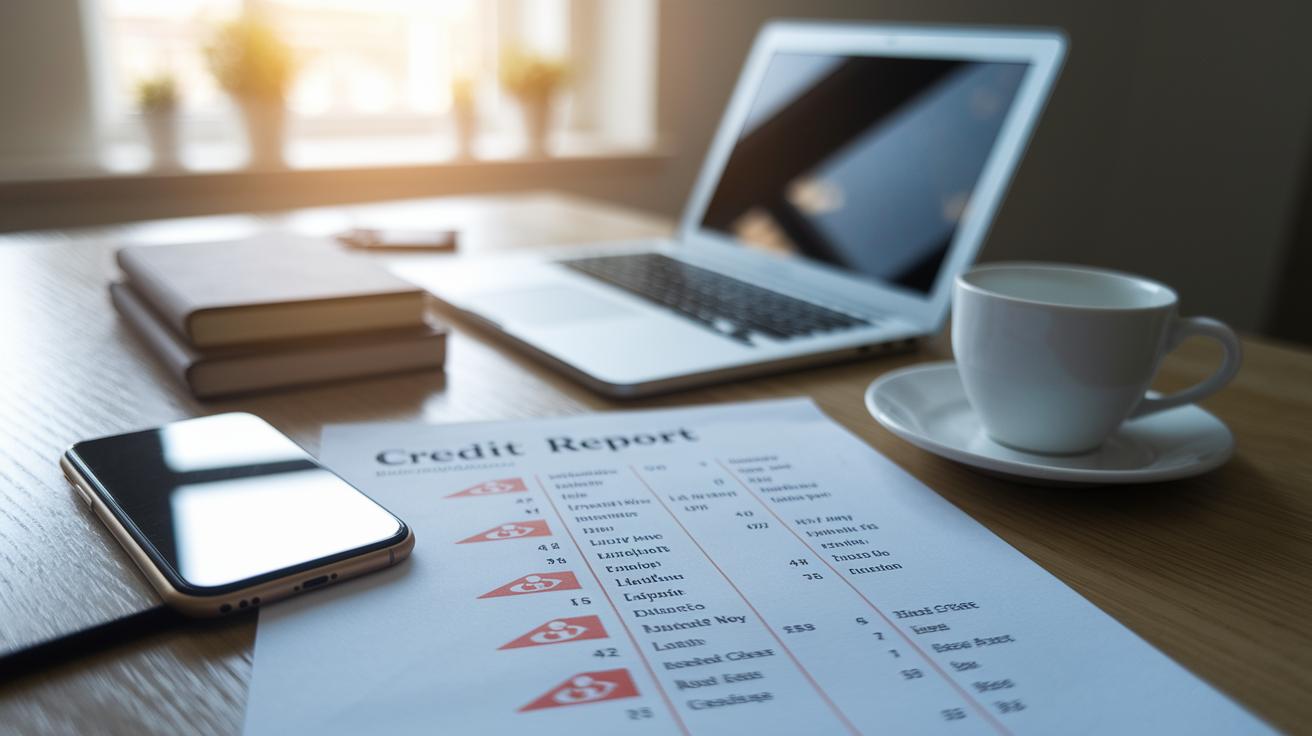
When checking a credit report, spotting risk factors is one of the first steps underwriters take. For instance, if you see a borrower with several missed payment deadlines, say, three late payments in a short span, it's a clear sign they might be having trouble keeping up with their debts.
Another common warning sign is having too much revolving debt. This happens when someone uses a large chunk of their available credit, which makes lenders worry about poor debt management and could lead to less favorable loan conditions. Also, legal judgments noted on a credit report flag past financial disputes, showing that the borrower once had to resolve issues in court.
Then there are recent hard inquiries, which sit on a credit report for about two years. If you notice a burst of these inquiries, it could mean the borrower is urgently seeking more credit, raising concerns about their ability to manage additional debt. And high utilization consistently stands out as a serious red flag, often paired with public records to give a fuller picture of the borrower’s risk.
By keeping an eye on these trends and taking proactive steps to manage debt, borrowers might improve their credit profile over time. When a borrower sees a sudden spike in hard inquiries, it can prompt immediate review of their spending habits.
Actionable Steps After Credit Report Analysis
Make it a habit to look over your credit report every 6 to 12 months. Think of it like going through your bank statement, you want to catch any errors, odd entries, or activity you didn’t authorize. For example, if you spot an inquiry you don’t remember, take action quickly, just like John did when he disputed an unfamiliar entry to keep his score intact.
Remember, the FCRA gives you the right to question any mistakes. Whether it’s a late payment that wasn’t yours or an account you don’t recognize, write in your dispute and keep following up until it’s fixed. This not only protects your current credit standing but sets you up for future improvements.
If you’re worried about unauthorized checks on your credit, consider freezing your credit. Freezing your credit can stop unwanted hard inquiries from impacting your score, which is especially useful when identity theft is a concern.
Also, think about joining workshops or credit counseling sessions. These gatherings offer clear, actionable advice on things like lowering high credit usage or managing revolving debt. For example, reducing your credit usage from 50% to below 30% can really boost your score over time.
Finally, take advantage of digital tools and mobile apps that let you track your credit score 24/7. Automated alerts can give you real-time updates, so you’re always in the loop and can fix issues before they become bigger problems.
Tools and Best Practices for Credit Report Analysis

Today’s digital solutions pack interactive dashboards and automated score calculators that make diving into your credit report feel almost effortless. These handy tools turn tricky details, like credit utilization ratios and past payment trends, into clear, visual snapshots that even beginners can understand. Imagine a dashboard that breaks down your credit report into neat, easy-to-read graphs, spotlighting exactly where you might need to improve.
Using these advanced evaluation tools gives you a deeper, more intuitive look at your credit performance without rehashing the same monitoring steps over and over.
Case Study Comparisons in Credit Report Analysis
Imagine you’re looking over your credit report and notice a couple of errors that have been weighing your score down. In one case, a borrower spotted these mistakes and decided to challenge them. They also reduced their credit card usage from 50% to 30%. This simple change bumped their score up by 20%. It’s like fixing a small glitch that makes all the difference.
Now, think about another borrower who found unexpected hard inquiries on their report, which raised concerns about potential identity theft. They acted quickly by disputing those entries and freezing their credit. This swift move stopped further unauthorized checks and kept their score safe. It’s a great example of how being proactive with your credit can really pay off.
Both scenarios show that a careful, line-by-line review of your credit report can lead to specific actions that significantly improve your financial health. Have you ever thought about how a few small changes could transform your financial outlook?
Final Words
In the action of breaking down credit report analysis, we examined key elements like detailed account histories, payment records, and numerical score thresholds. We also touched on risk factors and practical steps for improving credit standing. Digital tools and real examples showed how monitoring and action can lead to better financial decisions. This clear look at credit report analysis helps simplify complex information and empowers effective money management. Embrace these insights to boost your budgeting and investing for a secure future.
FAQ
What does a credit report analysis online involve?
The credit report analysis online examines your financial data by reviewing account details, payment history, and public records according to FCRA guidelines, helping lenders assess your credit risk.
What does free credit report analysis cover?
The free credit report analysis evaluates your credit information including account listings, inquiries, and public records, offering an informative snapshot of your creditworthiness without any cost.
How can I obtain my annual credit report for free?
The annual credit report provides a yearly comprehensive view of your credit activities and is available at no cost from authorized sources, allowing you to monitor your financial history.
How can I access free credit reports from all three bureaus?
The free credit reports from all three bureaus let you review your credit history from Experian, Equifax, and TransUnion, giving you a complete look at your financial record.
What is included in a credit analysis report PDF?
The credit analysis report PDF compiles detailed information like account histories, payment records, and public data, making it easy to review your credit profile in a downloadable document.
What does the term “free credit report gov” refer to?
The term free credit report gov refers to government-authorized services that provide annual credit reports at no charge, ensuring you can regularly monitor your financial records.