


Ever wondered if Malaysia's economy can shake off recent challenges and come back even stronger? In 2023, Malaysia's GDP growth slowed down when the country shifted its focus to spending at home. Still, robust local investments combined with consistent consumer activity suggest better times may be on the horizon.
Think of the economy like a car that momentarily skids before regaining traction on the road. In this post, we'll walk through the numbers and trends to explain how these ups and downs might pave the way for a renewed economic revival.
Malaysia’s Economic Growth: Trends and Forecasts Overview
Malaysia’s economy has hit a few bumps recently. In 2023, GDP growth tumbled from 8.86% in 2022 down to 3.56%, marking a 5.31% drop as the country adjusted post-COVID. This change mainly reflects a shift toward domestic spending and a services-driven push. Forecasts suggest that the recovery is steady yet measured, with growth expected to hit 4.8% by 2025 and then ease to 4.2% in 2026.
Looking ahead, several key indicators paint an encouraging picture. For instance, the labor market looks strong with unemployment holding steady at 3.0% through 2026. At the same time, rising distributive trade sales indicate that consumer activity is keeping the domestic market vibrant. On the flip side, export growth is predicted to cool off, influenced by factors like US tariff measures and a slower rebound in China.
| Indicator | 2022 | 2023 | 2025F | 2026F |
|---|---|---|---|---|
| GDP Growth Rate | 8.86% | 3.56% | 4.8% | 4.2% |
| Unemployment Rate | 3.0% | 3.0% | 3.0% | 3.0% |
| Distributive Trade Sales Growth | – | – | 5.7% | 6.1% |
| Export Growth | – | – | 6.0% | 5.1% |
In sum, even though external challenges are weighing on exports, strong local investment and active consumer spending provide a cushion against these pressures. It’s a reminder that while the road may have its twists, staying tuned to real-time trends and key indicators is the best way to navigate Malaysia’s evolving economic landscape.
Historical Patterns and GDP Per Capita Development in Malaysia

Malaysia’s economic journey is a tale of steady progress and rising living standards. GDP per capita, which shows the average economic output per person, acts as a simple way to gauge how well the country's people are faring. With continuous improvements in infrastructure and thoughtful policy reforms, this number has been on a gradual climb, opening up more opportunities for families and businesses alike.
In 2025, Malaysia achieved a significant milestone by overtaking China in GDP per capita rankings, landing the 8th spot in Asia. Imagine how rising incomes can allow families to invest in education or improve their homes, the benefits spread throughout the community, reflecting the positive impact of these policies.
Adding to this positive trend is the strengthening of the Malaysian ringgit against the US dollar. A stronger ringgit is like having an extra boost of financial confidence, enhancing purchasing power for everyday consumers. This extra financial strength not only empowers individuals to spend and invest more at home but also furthers the upward momentum of Malaysia’s economic development.
Key Drivers of Economic Growth Malaysia
Malaysia’s growth story is becoming increasingly clear thanks to several key factors working hand in hand. The blend of active local spending, steady private investments, and smart government measures is creating an environment where the economy can really take off. It’s like watching a well-planned road trip where every stop is a boost forward.
Local spending is buzzing with energy. A growing middle class and a steady labor market are driving up domestic demand. Think of it as everyday spending that keeps the wheels turning, whether you’re grabbing your morning coffee or planning for a family dinner out.
The services sector is booming too. From retail and hospitality to digital innovations, these industries are the lifeblood of economic momentum. When you see shops busy and online services thriving, you know there’s more than meets the eye in the economy.
Investment flows also play a huge role. Both local and international investors are busy backing major infrastructure and business projects that set the stage for long-term development. If you imagine building a house, think of these investments as the solid foundation that holds everything together.
Tourism continues to shine. The steady rise in visitor numbers not only fills hotels and restaurants but also sparks growth in related sectors like retail. It’s a win-win where every tourist adds another vibrant brushstroke to the economic picture.
And of course, government support can’t be ignored. Targeted public initiatives and strategic fiscal policies work to keep the economic engine running smoothly by balancing out external pressures.
When you put all these elements together, they paint a picture of a resilient economy powered by both internal strength and thoughtful policy actions. With strong domestic demand, a thriving services sector, reliable investment flows, and proactive government measures, Malaysia is well positioned to handle uncertainties and continue its journey toward sustainable growth.
Sectoral Performance under Malaysia Economic Growth
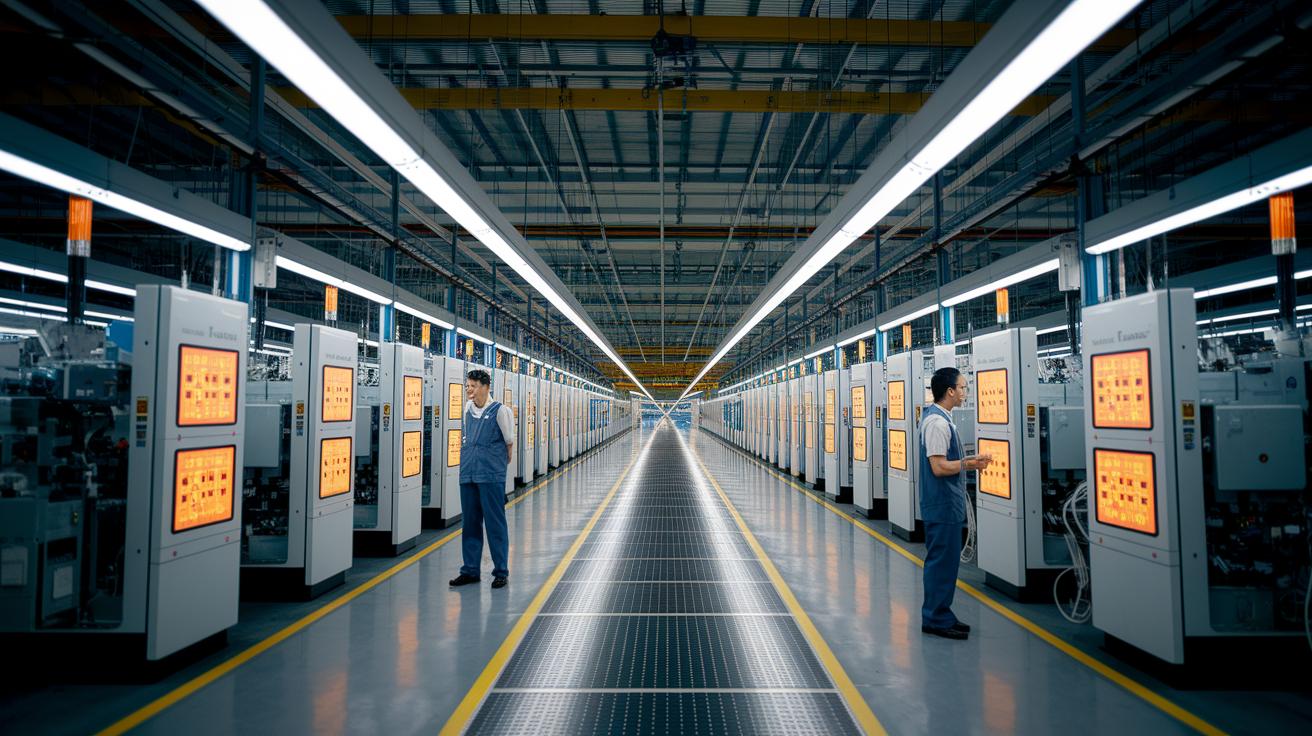
Malaysia’s industrial output is really driving growth by powering supply chains and opening up space for emerging fields like renewable energy and tech-enabled manufacturing. Imagine a factory upgrading its production line so it can meet both the needs of local customers and international quality benchmarks. This upgrade not only boosts overall output but also brings industry-specific challenges to light, like keeping up with rapid tech changes and shifting regulations.
Meanwhile, blending manufacturing with evolving trade dynamics is prompting local industries to fine-tune how they operate. For instance, one local producer revamped its setup and saw efficiency jump significantly. This shows how a nimble approach can help companies navigate supply hiccups and grab new opportunities as they arise.
Even with export growth slowing a bit, trade remains a key part of the picture. Early in 2025, distributive trade sales jumped by 5.3%. At the same time, export growth eased from 6.0% in 2025 to 5.1% in 2026, influenced by softer mining shipments and a stronger ringgit. These trends give us a well-rounded view of the nation’s steady economic strength.
Government Fiscal Policies Driving Malaysia’s Growth
Malaysia’s government spending is acting like a solid booster for local demand. By channeling funds into essential public projects and infrastructure upgrades, the government ensures that everyday economic activities keep humming even when the global market feels a bit shaky. It’s like having a trusted friend step in with support just when small and medium businesses need it most.
Public-private partnerships have also played a huge role in this growth. The government is teaming up with private investors to fast-track major projects, from improved transport links to modern tech systems. This collaboration not only brings in extra funding but also gets projects done quicker, creating a seamless link between policy goals and real-world benefits.
These fiscal measures also help soften the blow from external pressures like tariff changes and slower global recoveries. With smart stimulus packages and thoughtful policy twists, Malaysia is building an investment environment that feels both stable and promising. Essentially, by boosting public confidence and promoting steady growth, these initiatives are setting the stage for a resilient, forward-moving economy.
Economic Growth Malaysia in Regional and Global Context

Malaysia stands strong in Asia, ranking eighth for GDP per capita and enjoying a healthier ringgit. This robust economic base boosts local spending and positions the country competitively in global trade. Imagine a small retailer lowering costs by buying inventory at better rates thanks to a stronger currency, it’s a clear example of how these factors work together to create an economically sound environment.
Looking at trade ties in ASEAN and East Asia, Malaysia's role becomes even clearer. Working closely with neighboring countries helps all parties lower expenses and streamline trade. Picture export partners coordinating their shipping schedules to reduce costs. This kind of collaboration not only strengthens the export outlook but also lays the groundwork for broader economic growth.
Future Outlook for Economic Growth in Malaysia
Malaysia's economy is currently driven by strong internal momentum. Instead of rehashing forecast figures, think of how steady consumer spending and active government measures create a solid buffer against global shifts. Imagine local spending creating ripples in a pond, each purchase sends out a wave of economic activity that benefits the whole community.
This internal resilience is the engine that keeps the economy moving, even as global trade patterns and market uncertainties evolve. Picture a lively neighborhood market where each sale supports not just a single merchant but also helps bolster local investments and maintain jobs.
In essence, everyday financial choices by individuals and communities are building a path toward sustainable growth. Imagine how a small shift in spending habits can gradually revitalize local commerce, every dollar spent acts as a spark for recovery as Malaysia moves forward in a post-COVID world.
Risks and Challenges to Sustaining Economic Growth Malaysia
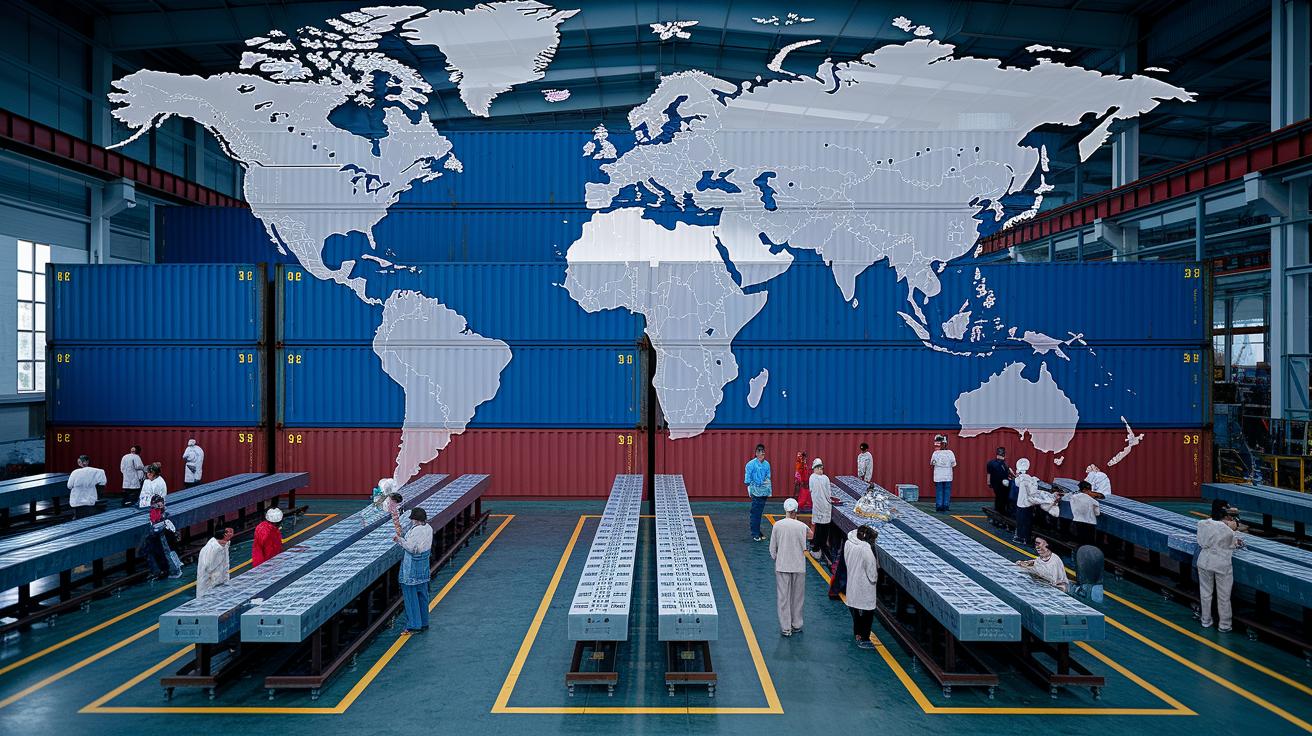
Malaysia is currently navigating a mix of external challenges that call for a more interconnected look than before. Recent pressures, like US tariff measures and a slower recovery in China, have put the export landscape to the test. Yet, history shows that smart moves such as diversifying markets and shifting production overseas helped cushion previous shocks. Imagine a manufacturer rerouting production to sidestep high tariffs, this step not only cut costs but also kept the market steady. Today, the country is building on these lessons with stronger regional trade agreements and sharper supply-chain strategies to withstand similar pressures.
Looking back at past episodes, we see that the focus now is on proactive policymaking and careful risk management. When weaker mining shipments and supply-chain hiccups arise, enhanced logistics collaboration and better inventory practices are stepping in to smooth things out. Meanwhile, the stronger ringgit is pushing efforts toward technological upgrades and cost innovations to boost export competitiveness. The table below breaks down how previous responses are shaping today's tactics:
| Risk Factor | Historical Response | Current Strategy |
|---|---|---|
| US tariff measures | Export diversification | Enhanced regional trade agreements |
| Slower recovery in China | Exploring alternate markets | Focus on value-added exports |
| Supply-chain disruptions | Logistics adjustments | Regional collaboration and improved inventory management |
| Strong ringgit | Shifting emphasis to domestic markets | Technological upgrades to boost export competitiveness |
Final Words
In the action, we explored Malaysia’s economic journey by breaking down key indicators, sector performance, and government policy impacts. We looked at GDP trends, per capita development, and the pivotal role of domestic demand and services to drive growth.
This analysis also addressed future forecasts, highlighting economic growth malaysia and the external risks that could affect these trends. The insights provided should empower you to approach financial decisions with clarity and optimism. Here's to a secure and prosperous future.
FAQ
What does the economic growth Malaysia graph show?
The economic growth Malaysia graph shows recent GDP fluctuations, highlighting an 8.86% increase in 2022 followed by a moderated pace in 2023 and upcoming steady projections through 2026.
What does the economic growth in Malaysia for 2022 indicate?
The economic growth in Malaysia for 2022 indicates robust expansion with an 8.86% GDP growth rate spurred by strong domestic demand and a vibrant services sector.
What are the projections for Malaysia’s GDP growth in 2025 and 2026?
Projections suggest Malaysia’s GDP will grow by 4.8% in 2025 and moderate slightly to 4.2% in 2026, reflecting ongoing resilience amid global challenges.
What does Malaysia GDP per capita measure?
Malaysia GDP per capita measures the average economic output per person, with recent trends showing improvements in living standards and a high ranking within Asia by 2025.
What has been Malaysia’s GDP growth rate over the last 10 years?
Malaysia’s GDP growth rate over the last 10 years features fluctuations influenced by shifts in domestic demand and global economic changes, reflecting a dynamic performance history.
Is Malaysia’s economy growing?
Malaysia’s economy is growing, propelled by strong domestic demand, supportive fiscal policies, and an active services sector, even as global pressures affect growth dynamics.
How did Malaysia grow its economy?
Malaysia grew its economy by boosting domestic demand, expanding the services and tourism sectors, and implementing effective government fiscal measures that fostered strategic investments.
Which country is number one in economy?
While rankings depend on the measure used, the US typically leads in nominal GDP, making it one of the largest economies based on current evaluations.
Is Malaysia expected to be in a recession in 2025?
Malaysia is not expected to be in a recession in 2025, with forecasts indicating moderate GDP growth and stable economic conditions despite some external headwinds.