

Ever wondered if the U.S. stock market really plays fair? In America, a mix of federal laws, government oversight, and exchange rules works hand in hand to keep trading both transparent and secure. The SEC ensures companies share clear and accurate financial information, making fairness a real part of everyday trading. In this article, we'll break down how these safeguards create a reliable market that you can trust.
Stock Market Regulatory Structures and Key Authorities
In the U.S., the stock market operates within a system of checks and balances. Federal laws, government oversight, and even rules set by the exchanges themselves all work together to keep things transparent, orderly, and safe for investors. This layered setup leans on laws that, although written decades ago, still serve as a firm foundation for sorting out both everyday trading and more complex issues.
At the heart of this system is the SEC, or Securities and Exchange Commission, which enforces the Securities Exchange Act of 1934. The SEC makes sure companies share the right financial information and steps in to stop problems like insider trading or market manipulation. Think of them as the referee who not only sets the rules but also steps up when there's a dispute, ensuring fair play throughout the market.
Stock exchanges like the NYSE and NASDAQ also have a say in how things run. Under the SEC’s supervision, they create their own trading rules and keep a close watch on trading activities. These exchanges require companies to regularly report their finances, which helps maintain a consistent and legal approach to trading. Here's an interesting fact: every major stock exchange comes up with its own set of guidelines, yet they all stick to a system-wide oversight that guarantees consistency and honest practices across the board.
Securities and Exchange Commission’s Role in Stock Market Regulation
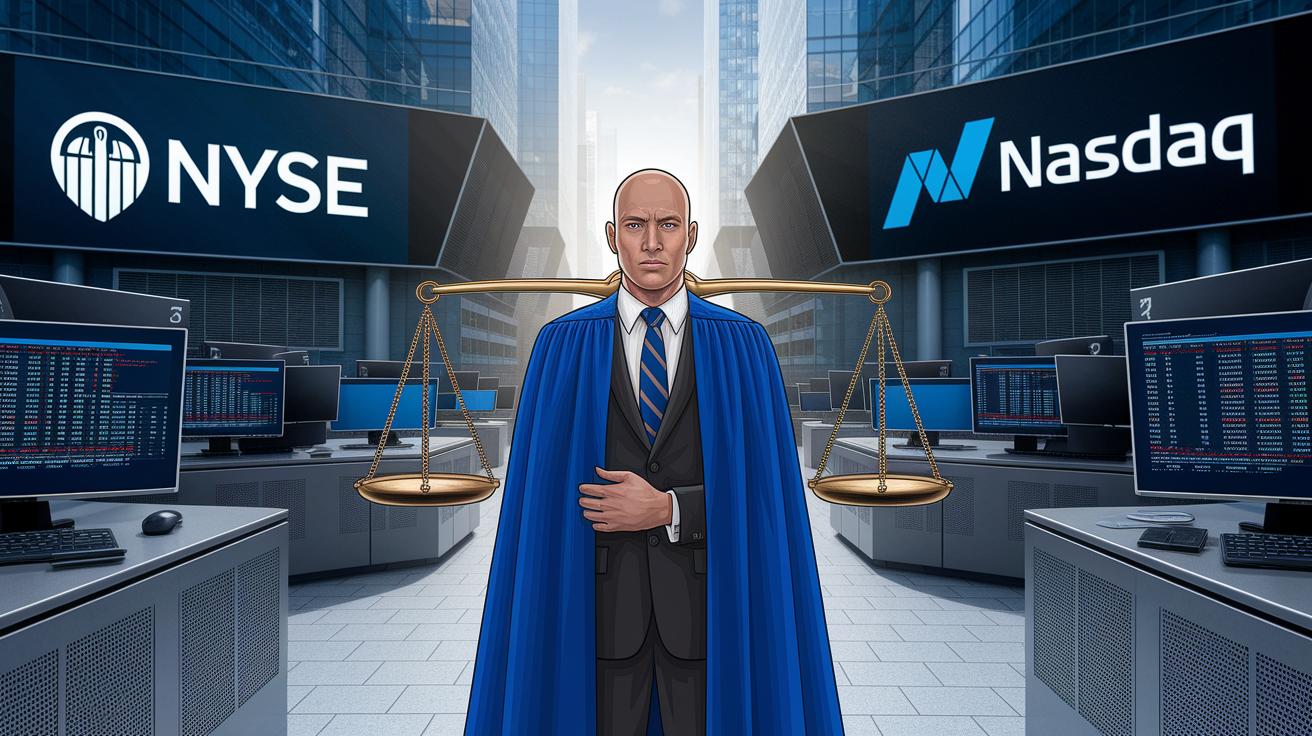
The SEC stands as a steadfast guardian of our U.S. capital markets. It enforces important laws like the Securities Act of 1933 and the Securities Exchange Act of 1934, which means that well-known exchanges such as NYSE and NASDAQ need to submit regular disclosures and financial reports. This transparency really helps everyone understand what's happening in the market.
But the SEC isn’t just about enforcing laws, it also makes sure companies provide accurate and timely financial data, a key step in building trust. Ever wondered how clear, honest reporting can keep your investments safe? The SEC acts as both a law enforcer and a protector of investor interests by keeping a close eye on how companies share their data.
The agency dives into issues like insider trading, market manipulation, and false disclosures. When someone breaks the rules, the SEC can impose fines or even issue injunctions to get things back on track. For anyone keen to learn more about these reporting standards and enforcement practices, checking out advanced financial analysis techniques can offer some really practical insights into how fair trading is maintained.
- Rule-making and Standards
- Registration and Reporting Oversight
- Comprehensive Market Surveillance
- Enforcement of Securities Laws
- Investor Education and Protection
In the end, by setting and monitoring strict rules, the SEC makes sure our capital markets operate in a fair, orderly, and secure way. This solid framework is what helps keep investor confidence high.
Federal Reserve Board’s Influence on Stock Market Oversight
The Federal Reserve Board carries out open market operations by buying and selling Treasury and federal agency securities to shape our monetary policy. This activity changes the amount of money in circulation, which in turn affects the liquidity of stocks. Think of it like turning on a faucet: when the Fed pumps cash into the market, funds for trading increase and price swings become more manageable.
By adjusting the flow of money and credit, the Fed helps keep the stock market steady. Their moves on interest rates and reserve requirements give investors clear signals about the state of the economy. It’s a bit like setting the stage for a performance, ensuring that traders and investors operate in a calmer, more predictable environment.
While these maneuvers aren’t aimed at stocks directly, they foster conditions that make trading fair and orderly. By influencing borrowing costs and the overall movement of money, the Fed plays a key role in balancing risk and maintaining the confidence that investors need.
Self-Regulatory Organizations and Exchange Governance in Equity Markets
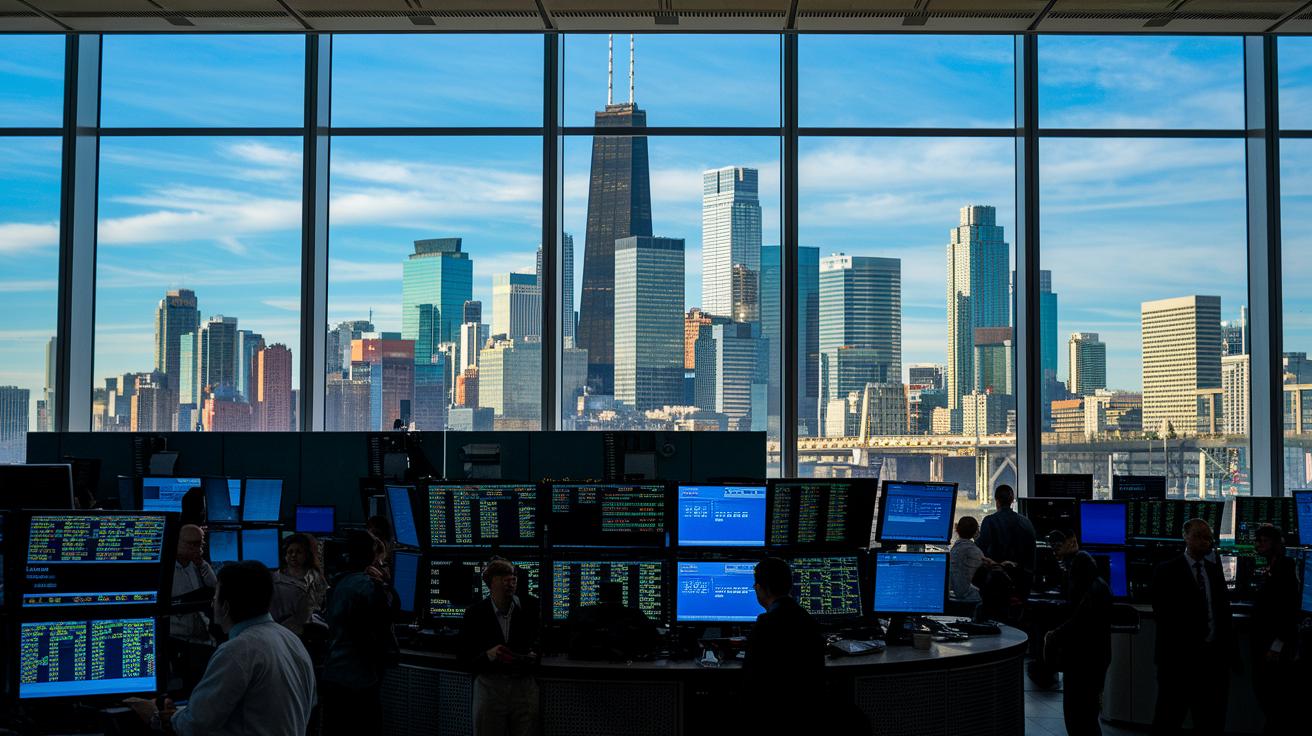
Self-regulatory organizations, or SROs, are essential for keeping our markets running smoothly under the guidance of the SEC. Think of NYSE and NASDAQ, they’re not just stock exchanges but also trusted rule-makers, setting clear trading standards so everyone knows what’s expected.
These groups keep a close, real-time watch on market activity, making sure any shady practices are spotted quickly. They update their rules as market trends evolve, keeping the guidelines both practical and effective. In doing so, SROs help catch any irregular behavior early, creating a fair environment for both major institutions and independent investors.
| Organization | Role | Oversight Authority |
|---|---|---|
| NYSE | Sets trading rules and monitors compliance | SEC oversight |
| NASDAQ | Employs real-time surveillance and maintains trading protocols | SEC oversight |
| FINRA | Monitors trade practices and enforces disciplinary actions | SEC oversight |
By adding this extra layer of governance, SROs strengthen the overall regulatory framework. They focus on compliance and act swiftly when rules are broken, which helps secure a safer trading environment. Combining exchange self-governance with federal oversight means the system responds quickly when market players step out of line. Ultimately, this approach gives traders a clear view of daily operations and helps maintain investor trust, even when times get a bit turbulent.
Broker-Dealer Compliance Requirements and Enforcement Actions
Broker-dealers must follow strict rules laid out by regulators like the SEC and FINRA to keep their operations safe and sound. They need to hold enough capital to weather unexpected trading risks and record every transaction accurately so regulators and the public can review them. They're also required to set up firm anti-money laundering policies. For bank-affiliated brokerages, there's extra oversight from the OCC, thanks to the National Currency Act of 1863, adding another layer of security. All these measures aim to create a stable and clear trading environment.
Broker-dealers also ensure that their recordkeeping is transparent and that all staff meet clear qualification standards. This builds investor trust and supports fair trading practices and overall market integrity. Meeting these standards isn’t just about staying within the law, it also helps maintain a strong professional reputation in a competitive market.
- Capital Adequacy
- Trade Reporting
- Anti-Money Laundering (AML)
- Record Retention
- Personnel Qualifications
Enforcement in this space is hands-on and thorough. Regulators conduct audits, dig deep when something seems off, and can impose fines, suspensions, or even revoke licenses to keep the trading field safe and protect investor interests.
Preventing Market Abuse and Ensuring Investor Protection in Stock Markets

Financial regulators have stepped up their game, updating rules and using new technology to keep our markets safe and fair. They’re now closer to real-time monitoring and using smart tools that help spot fraud even when it’s hidden in complex trading patterns.
-
Enhanced Rule 10b-5 enforcement now uses digital data monitoring to pick up on trickier fraudulent schemes. For instance, new systems recently flagged a trade pattern that reminded experts of the notorious flash crash in 2010.
-
Insider trading checks have gotten an AI boost, which helps spot unusual trading moves fast. One case even showed how AI picked up on odd data patterns that paralleled a recent well-known incident.
-
Modern circuit breakers now adjust their limits based on market volume. This means when rapid price drops occur, like what happened in September 2023, there’s a built-in pause to help stabilize the market.
-
Trade halt protocols have been refined to consider market sentiment. This smarter approach recently allowed a timely trading pause during an unexpected sell-off in mid-2022.
-
Real-time audit trails have been improved with machine learning, letting self-regulatory organizations keep a closer eye on complex algorithmic patterns. Continuous scanning even flagged potential issues before any crisis could fully develop.
These updated measures work together to prevent irregular market behavior and build investor confidence by quickly addressing potential risks during volatile times.
Final Words
In the action, we broke down market oversight, from the SEC’s enforcement of key laws to the Federal Reserve’s indirect influence and the role of self-regulatory organizations. We examined how are stock markets regulated, showing how broker-dealer compliance and investor protection measures work together. The article clarified each layer and responsibility, making the framework easier to understand. It’s reassuring to see a system that supports smarter budgeting and investing, giving everyone a clear sense of direction toward a secure and prosperous financial future.
FAQ
How are stock markets regulated in the United States?
The regulation of U.S. stock markets operates through a layered system where federal laws, SEC oversight, and self-regulatory organizations work together to set rules and enforce compliance, ensuring fair trading practices.
Is the stock market federally regulated?
The stock market is federally regulated through laws enforced by agencies like the SEC, while self-regulatory organizations and exchanges also maintain their own compliance measures under this federal framework.
What actually controls the stock market?
Control of the stock market is shared among federal regulators, self-regulatory organizations, and individual exchanges, all of which work together under comprehensive legal standards to maintain market integrity.
How is the SEC’s Division of Trading and Markets structured?
The SEC’s Division of Trading and Markets is organized to oversee market activities and enforce regulations, with its structure outlined in publicly available organizational charts for transparent accountability.
Where can I access PDFs like the Securities Act of 1933 and other financial market regulations?
Official PDFs, including the Securities Act of 1933 and related financial market regulations, can be accessed through government websites, which publish these documents to inform investors and maintain transparency.
How do stock markets promote competition in the commodities market?
Stock market regulations promote competition in the commodities market by enforcing rules that prevent monopolistic practices, ensuring open access and a level playing field for all market participants.
Does the stock market do better under Democratic or Republican leadership?
Market performance isn’t directly tied to the political party in power; instead, it reflects a mix of economic trends, global events, and regulatory environments rather than a simple political influence.