


Have you ever thought about taking a bet on the market's performance without having to pick individual stocks? With index futures, you’re basically wagering on the market as a whole, and you only need a small amount of cash upfront. It’s kind of like placing a modest deposit on a big game forecast, you get more control than you invest. This approach not only sharpens your market insight but also offers a chance for exciting rewards. Curious to see how this strategy might be the game changer your portfolio needs? Let’s explore it further.
Index Futures Investing: Boost Your Market Edge
Index futures let you enter a contract today to buy or sell a whole market index, like the S&P 500, on a set future date. Instead of picking individual stocks, you’re betting on how the entire index will perform. Imagine it as committing to a future deal on a basket of stocks that mirrors market trends, giving you a clear view of where things might be headed.
Margin requirements play a key role in these contracts. When you open a position, you only need to put down a fraction of the contract’s total value, a kind of deposit. Daily, your position is adjusted to reflect market changes through a process called marking-to-market, ensuring you always have enough margin. This use of leverage means you can control a larger market exposure with a smaller cash commitment, which might boost your returns while also increasing potential losses if the market turns against you.
Index futures open doors to both speculative trading and smart hedging strategies. They let you take advantage of small market shifts without having to commit a lot of capital upfront. Whether you’re looking to make short-term gains or protect your portfolio over the longer haul, these contracts can be a useful tool. Just keep in mind that higher leverage brings higher risks, so it's vital to have a solid risk management plan in place to navigate those market swings.
Types of Index Futures: S&P 500, Dow Jones, Nasdaq and E-mini Contracts
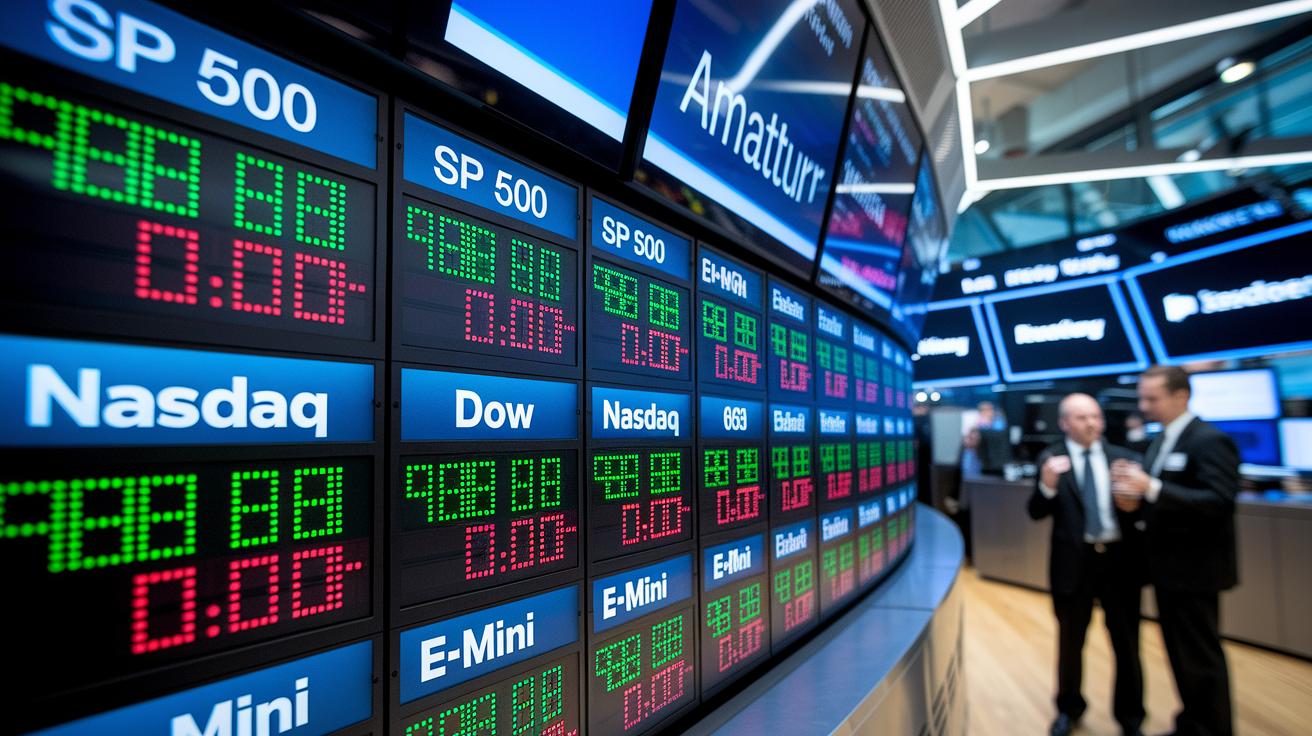
Major index futures contracts are a fantastic way to get a feel for market trends and manage how exposed your portfolio might be. Think of them as tools in your financial toolkit, each one uniquely designed to help you tackle different market conditions. For instance, the S&P 500 and Dow Jones futures are like the heavy hitters, offering plenty of opportunities for smart speculation and clear-cut analysis.
Then there are the Nasdaq contracts, perfect for those really into tech-driven market moves. And if you’re just testing the waters or working with a smaller account, the E-mini contracts are a friendly entry point, letting you dip your toes in with lower notional exposure. It’s a bit like choosing the right gear for your financial journey.
These contracts differ in how much the smallest price changes (their tick sizes) and in their trading hours, which in turn shape their liquidity and volatility profiles. It all comes down to matching the contract with your unique trading style and comfort with risk, almost like picking out shoes that fit just right.
| Contract Name | Underlying Index | Tick Size | Market Hours |
|---|---|---|---|
| S&P 500 | S&P 500 | 0.25 points | Regular hours |
| Dow Jones | Dow Jones Industrial Average | 1 point | Standard sessions |
| Nasdaq 100 | Nasdaq 100 | 0.50 points | Extended trading |
| E-mini S&P 500 | S&P 500 | 0.25 points | 24-hour trading |
Each of these contracts brings something different to the table. Whether you’re diving headfirst into aggressive speculation or looking to protect your broader portfolio, the variations in tick sizes and market hours let you tailor your strategy. E-mini contracts, with their round-the-clock trading and compact size, are great for those not ready to commit a lot of capital. Meanwhile, the larger S&P 500, Dow Jones, and Nasdaq contracts offer a wider market view for those comfortable with a bit more intensity. In the end, it’s all about finding what fits your trading style and risk appetite best.
Trading Strategies for Index Futures Investing
When trading index futures, you need a clear strategy from the start. Many platforms provide free real-time alerts and technical signals that help you catch price changes as they happen. For example, an alert might say, "Price breakout detected at key support level – consider a quick review," nudging you to act promptly. By weaving these signals into your overall game plan, you can make faster decisions based on current market conditions.
Many traders lean on directional speculation and spread trading as the core of their strategies. This means using approaches like calendar spreads and arbitrage between contracts to take advantage of pricing gaps. Imagine noticing a notable difference between front-month and deferred contracts; that scenario could be perfect for a calendar spread trade aimed at bridging the gap. This kind of play mixes market instinct with systematic analysis so every trade ties back to your broader financial goals.
In today’s market, algorithmic trade systems and pattern-recognition features have become key allies. Automated tools can scan the market for patterns such as moving average crossovers or sudden trend reversals. Picture a tool flagging a rapid surge in volume alongside a trend change, it signals that it might be time to adjust your position. This smart blend of automation and personal judgment helps you capture both short-term moves and long-term opportunities.
Using order-management tools like stop orders and limit orders can further fortify your trading routine. These instruments let you set clear exit points before you even enter a trade, protecting your capital if the market unexpectedly shifts. Imagine placing a stop order that automatically kicks in if prices drop by a specific percentage, this safety net keeps losses in check while you focus on capturing the right opportunities. Pairing these tools with solid risk-reward analysis builds a resilient and efficient approach to index futures trading.
Risk Management and Leverage Strategy Insights in Index Futures Investing
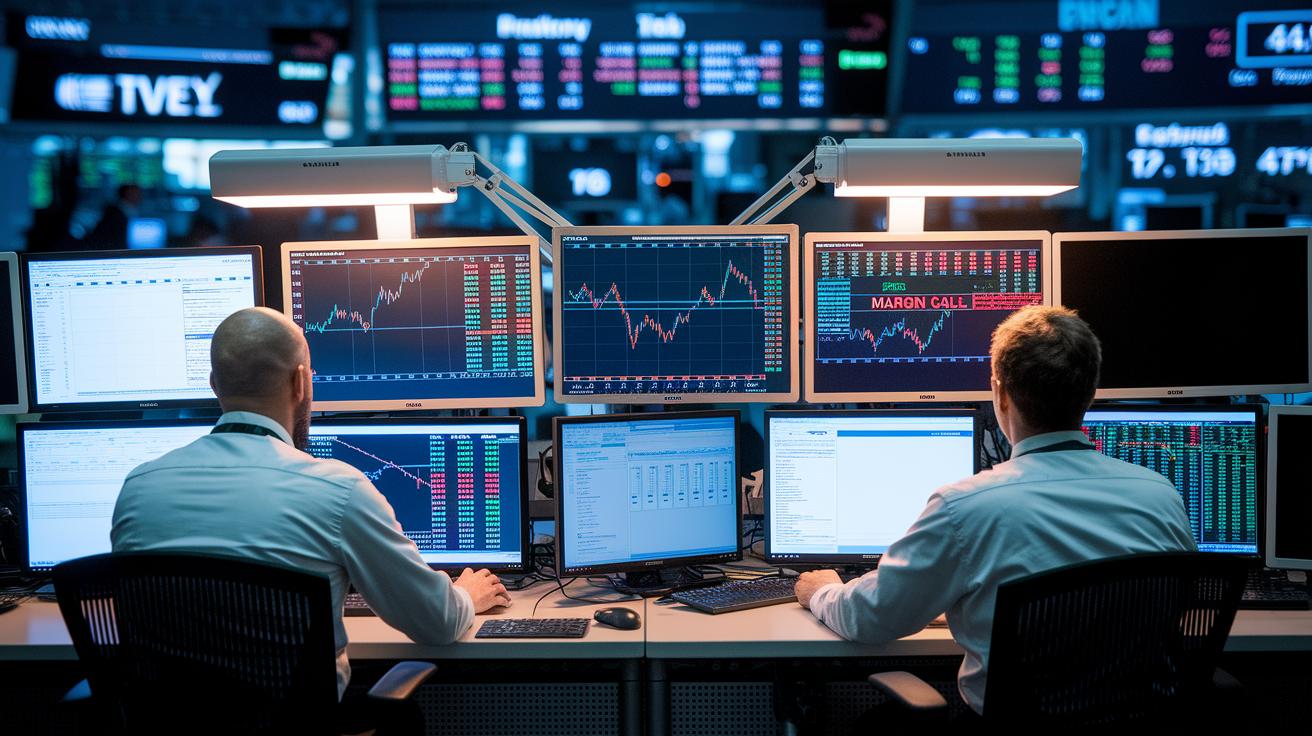
When you trade index futures, leverage can give you a big boost but also ramp up your risk. Every day, your account is adjusted to mirror current market conditions. And if your equity falls too low, you might get a margin call asking for extra cash. Just picture the shock of an unexpected market dip triggering a sudden request for funds, this is why getting a solid grasp of margin requirements and how margin calls work is so important. In short, understanding these elements helps you avoid abrupt interruptions in your trading plan.
Using stop-loss and limit orders is another smart approach to safeguard your investments. A stop-loss order can automatically exit your position if prices drop to a set level, capping your potential losses. Meanwhile, limit orders let you lock in profits when the market moves in your favor by selling at a predetermined price. These practical tactics not only protect you but also give you a clear playbook for managing risk and rewards, ensuring you’re prepared whether the market goes up or down.
Keeping an eye on maintenance margins and adjusting your position sizes is key when facing market volatility. Regularly checking that your account meets the margin requirements helps you steer clear of unexpected liquidations. A handy tip is to scale your positions based on the money you have available, always leaving a little buffer for those unpredictable market swings. By actively managing your position sizes and staying on top of your margins, you can create a safer trading environment that minimizes risk while still chasing potential gains.
Technical and Fundamental Analysis Techniques for Index Futures Investing
Combining technical and fundamental analysis gives you a clearer view of market trends and helps you fine-tune your index futures strategy. By blending dynamic charts, real-time data, and key economic indicators, you can get a solid read on how the market feels and where prices might be headed. Most trading platforms now come loaded with live charts, automated alerts, and economic calendars, making it easier than ever to spot promising opportunities. For example, watching how a moving average crossover pairs with a sudden surge in trading volume might be the nudge you need to explore a potential trend reversal.
Technical Analysis Techniques
When you dive into technical analysis, it’s like looking at the market through a magnifying glass. Chart tools built into your trading platform help uncover patterns that explain price movements. If you notice a moving average dipping down, it might be hinting at a brief pullback before a rebound, a bit like catching a pause before the next sprint. Relative strength indicators and RSI studies let you know if an index is possibly overbought or oversold. Automated alerts can also catch your eye when patterns such as MACD divergences or volume spikes pop up unexpectedly. Picture this: a sudden spike in volume combined with a slight drop below a critical moving average might prompt you to check if a reversal is forming. These signals, set against the backdrop of the market's overall price action, serve as your practical roadmap for timely trades.
Fundamental Analysis Approaches
Fundamental analysis means staying on top of the bigger economic picture while you watch daily trading patterns. By keeping an eye on economic calendars and news feeds, you can spot shifts in market sentiment as economic indicators roll out. Imagine checking interest rates or central bank updates before making a move, it’s like knowing the weather forecast before planning a road trip. When unexpected earnings reports or surprising inflation data hit, they can quickly shift the pricing of index futures. Trusted news sources and economic calendars go hand in hand to help you gauge the impact of macroeconomic events and earnings releases on market directions. Pairing these broader fundamentals with technical signals offers you a well-rounded perspective, making it easier to decide whether to adjust your position or stick with your current strategy.
Integrating Index Futures Investing into Portfolio Diversification Methods

Index futures provide a smart, flexible way to smooth out market ups and downs while boosting your portfolio's diversity. In plain terms, they let you offset losses from your regular stock investments with less cash tied up. This means you get a safety net against sudden market drops without having to sell off other assets, striking a neat balance between risk and reward.
Using index futures gives you the power to adjust your portfolio’s sensitivity or beta on the fly while keeping an eye on how different assets move together. Think of tools like correlation coefficients as a way to see how closely various investments dance in tandem. Combined with beta measurement techniques, this approach gives you a clearer picture of your overall risk. If you’re curious to dive deeper, check out "Role of Correlation in Portfolio Risk" for more insights.
On a practical note, you'll want to monitor your live profit and loss figures and rebalance your investments dynamically as market trends change. When adding futures into your asset allocation, it’s all about finding the right mix that fits your risk tolerance and long-term strategy. For example, you might decide to set aside a specific slice of your portfolio for index futures to shore up long-term stability. For additional details on this approach, "Portfolio Optimization" is a great resource to explore.
Final Words
In the action of exploring index futures investing, this post reviewed how contracts work, the role of margin requirements, and the balance between leverage and risk. We broke down trading strategies that combine technical signals with order-management techniques, while also addressing key risk management practices.
The discussion then moved to practical steps for diversifying a portfolio with futures. With a clear view of both benefits and inherent risks, you're well-equipped to apply these insights and make sound financial decisions.
FAQ
What are index futures?
The term “index futures” refers to standardized contracts that let you buy or sell a stock index like the S&P 500 at a future date. They offer leverage for both speculative plays and hedging strategies while requiring margins and daily marking-to-market.
How do you invest in index futures?
Investing in index futures involves selecting a platform and understanding contract details and margin requirements. It also means using technical signals and risk management tools to decide when to enter or exit a trade.
What are the most popular index futures?
The most popular index futures are those tracking major indices such as the S&P 500, Dow Jones Industrial Average, Nasdaq 100, and the smaller-scale E-mini contracts, which suit a range of trading accounts.
Where can you trade index futures?
You can trade index futures on various regulated exchanges through brokers offering dedicated futures platforms. These platforms supply real-time market data, risk tools, and technical alerts to guide your decisions.
Are stock index futures risky?
The concept of stock index futures being risky is true—leverage can magnify losses and gains. Many retail traders experience swift losses, making proper risk management, including the use of stop-loss orders, essential.
What does an index futures example like Nasdaq or S&P futures illustrate?
An index futures example with Nasdaq or S&P contracts demonstrates how you can speculate on market trends and hedge exposure by trading based on future index performance, using leverage and technical analysis.
How do stock market futures for tomorrow or Monday work?
The idea behind stock market futures for the next day or week is that they reflect investor expectations for upcoming market performance. These contracts help indicate potential trends, informing trading strategies over short periods.
How do you follow live data for Dow Jones and Nasdaq futures?
Following live data for Dow Jones and Nasdaq futures means using real-time platforms provided by brokers or financial news outlets. These tools continuously update prices, offering instant insights into market sentiment.