


Have you ever wondered how a nation can reinvent itself as a global leader? South Korea did just that, transforming its past challenges into a story of resilience and growth to become the 13th-largest economy in the world.
Rising from conflict and difficult times, South Korea built a strong economy fueled by innovation and a hardworking people. Its electronics and auto industries not only spurred rapid growth but also captured the interest of investors around the globe.
In this post, we'll explore the key factors behind South Korea's impressive turnaround. We'll look at how smart policies and determined industries are still paving the way for its future on the global stage.
South Korea Economic Growth Shines with Success
South Korea is the 13th-largest economy in the world, with a nominal GDP of around $1.8 trillion in 2024 and more than 51 million people. It’s impressive how a country once recovering from conflict has built a global powerhouse. Stable politics, rock-solid infrastructure, and a talented workforce have set the stage for its success, drawing interest from both local and international investors.
The engine behind this growth is its diverse range of high-value sectors. Take the electronics industry, for example, giants like Samsung and SK Hynix lead the way in global chip production, contributing over 30% of the nation’s total exports in 2023. Meanwhile, the automotive sector is rapidly shifting toward electric and self-driving vehicles, sparking innovation and new tech breakthroughs. And with government-backed initiatives like the Korean New Deal fueling green and digital projects, think of it like upgrading your home with energy-efficient appliances that make an immediate, noticeable difference.
All these elements work together like parts of a finely tuned machine. Focused innovation, strong industrial capabilities, and smart public policies create a dynamic environment where each component supports the other. In short, South Korea’s economic miracle continues to shine on the world stage, driven by a blend of creativity, resilience, and clear strategic vision.
South Korea Economic Growth through Export-Led Strategies and Trade Agreements
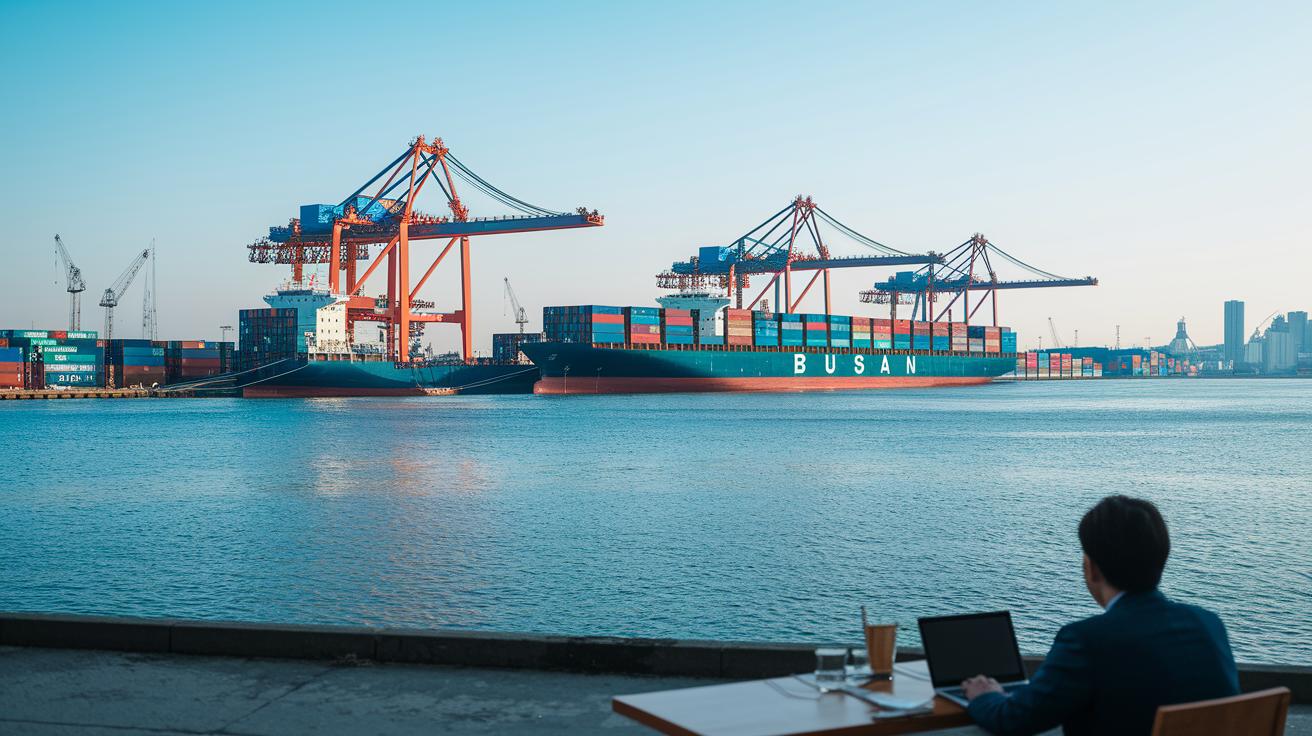
South Korea's dynamic economy turns to international trade as a key engine for growth. The country’s export-driven strategy puts it in the global spotlight, with trade playing a vital role in boosting GDP. By signing 18 Free Trade Agreements, local businesses enjoy lower tariffs and easier access to important markets. For instance, these agreements offer tariff cuts and special terms that let companies compete more effectively. Imagine a small company in Busan that tapped into one of these FTAs, its export volume doubled in under a year, a real-life example of how impactful these deals can be.
| FTA Partner | Region | Main Benefit |
|---|---|---|
| European Union | Europe | Tariff reductions on machinery & electronics |
| ASEAN | Southeast Asia | Preferential access for automotive exports |
| United States | North America | Improved quotas on semiconductors |
| Latin America | Latin America | Expanded market access for consumer goods |
By tapping into these trade agreements, South Korea not only ramps up its export volumes but also widens its market reach, reducing its vulnerability to local economic shifts. Local companies benefit from a flexible approach that lets them explore various markets, much like a diversified investment portfolio that balances risk with reward. In short, this smart export-led strategy helps ensure economic stability while encouraging further investments and long-term growth.
South Korea Economic Growth in Industrial Transformation
South Korea is reshaping its economy by embracing advanced manufacturing. Think of a busy production floor where smart robotics and top-notch machinery work alongside expert staff, much like a well-rehearsed band delivering perfect harmony. These innovative methods not only streamline production but also open up exciting economic prospects for the future.
The electronics and automotive industries continue to play a vital role in this transformation. Big names like Samsung and SK Hynix are propelling the global market with high-quality memory chips and display panels that significantly boost exports. Meanwhile, automotive giants Hyundai and Kia are evolving too, shifting towards electric and self-driving vehicles. Imagine a car that adjusts to its driver with smart, intuitive features, a perfect blend of tradition and futuristic technology.
| Sector | Key Contribution |
|---|---|
| Advanced Manufacturing | Precision machinery, robotics, and cutting-edge components |
| Electronics | Innovative memory chips and display panels by Samsung and SK Hynix |
| Automotive | Next-generation electric and autonomous vehicles from Hyundai and Kia |
South Korea Economic Growth and Innovation Initiatives under the Korean New Deal

The Korean New Deal is a major government plan driving modern progress in South Korea. It focuses on two main areas: green energy and digital transformation. The government is putting serious money into renewable energy projects, cleaner forms of transportation, and the development of smart cities. At the same time, funds are boosting digital upgrades that not only help lower energy bills but also build the sturdy tech systems needed for the future.
Think of it like investing in a tech portfolio that pays off over time. For instance, part of the budget is set aside for cutting-edge research in sustainable energy systems. These investments create both long-lasting environmental perks and solid economic gains. It’s a clear reminder that public funding can lead to practical innovations that improve our daily lives.
Innovation hubs like Pangyo Techno Valley are another key part of the strategy. These clusters bring together universities, big companies, and startups to work on real-world challenges. Imagine a buzzing, high-tech workspace where fresh research quickly turns into market-ready gadgets and services. This kind of teamwork not only speeds up turning ideas into reality but also creates an environment where talent and opportunity meet, setting the stage for steady economic growth and a future where technology and sustainability go hand in hand.
South Korea Economic Growth and Business Environment for Investors
South Korea offers a wealth of talent thanks to its strong focus on education. Local universities and technical institutes work hard to sharpen skills that modern industries demand, ensuring companies have access to a creative, tech-savvy workforce. Picture a local startup energized by recent graduates whose fresh ideas drive breakthrough innovations.
Another standout feature is the country’s excellent infrastructure. South Korea boasts world-class ports, a vast network of highways, and reliable digital connectivity. Imagine a logistics manager seamlessly coordinating shipments thanks to these efficient systems, which not only streamline operations but also boost investor confidence. It’s a setup that really supports rapid business growth.
Moreover, investor-friendly policies such as favorable tax incentives, designated innovation districts, and simplified regulations add to its appeal. Special economic zones, for example, ease administrative tasks and provide tax breaks that lower operational costs. This smart blend of policy and practical financial benefits makes South Korea a prime destination for foreign investment and ongoing economic success.
Resilience and Future Outlook of South Korea Economic Growth

South Korea has built a solid base in technology, education, and infrastructure that helps its economy adapt quickly to unexpected challenges. In the past, smart policy moves allowed local businesses to shift gears when global markets took a turn. Imagine a tech startup that, thanks to government incentives, nearly retooled its entire strategy overnight to grab a new opportunity.
Looking ahead, promising fields like digital health, green technology, and advanced manufacturing are creating exciting new paths for growth. Upcoming fiscal reforms and the rise of innovation hubs are setting the stage for steady, long-term progress. Think of planned tax changes and targeted support for green startups as drawing a fresh blueprint for success. This forward-thinking strategy builds on South Korea’s proven knack for bouncing back and sets the scene for even greater resilience.
Final Words
In the action, the blog post mapped South Korea’s rise by highlighting how key metrics, trade agreements, and industrial shifts fuel its progress. It outlined advanced manufacturing, a dynamic automotive shift, and innovation initiatives that support a robust economic framework.
The post also showcased how a pro-business environment and resilient policy measures work hand in hand to drive south korea economic growth. Positive policies and forward-thinking sectors pave the way for a future filled with promise and growth.
FAQ
What is South Korea’s economic growth history since 1960?
The South Korea economic growth history since 1960 shows a rapid transformation from a low-income nation to a high-tech powerhouse, driven by export strategies and technological innovation.
What does the South Korea economic growth graph indicate?
The South Korea economic growth graph indicates a steady upward trend in GDP, reflecting its industrial modernization, expanding exports, and competitive global positioning.
What is the status of South Korea’s GDP growth?
The South Korea GDP growth demonstrates consistent annual increases, supported by advancements in technology, robust export performance, and sectoral diversification.
How is South Korea’s GDP per capita performing?
The South Korea GDP per capita performance highlights rising individual economic productivity, driven by the shift from traditional manufacturing to advanced, high-value industries.
What are the projections for South Korea’s GDP in 2025?
The South Korea GDP growth 2025 projection suggests a continuation of its robust expansion, fueled by policy support, innovation, and a thriving high-technology sector.
How does South Korea rank in the global economy?
The South Korea economy ranking places it among the world’s largest economies, around 13th in global GDP, reflecting strong industrial output and export capabilities.
Is South Korea’s economy growing?
The South Korea economy is growing with steady increases in GDP, a modernized industrial base, and proactive export-led policies that reinforce its expansion.
How did South Korea’s economy grow so fast?
The rapid growth of South Korea’s economy stems from strategic export initiatives, technological upgrades in manufacturing, and consistent government support for innovation.
Is South Korea paying people $38K?
The claim that South Korea pays everyone $38K is misleading, as wages vary widely by industry and region; it does not represent a uniform national average.
What country holds the top spot in the global economy?
The question of a #1 economy is relative; while South Korea ranks as a major player, countries like the United States and China typically lead in overall GDP.